
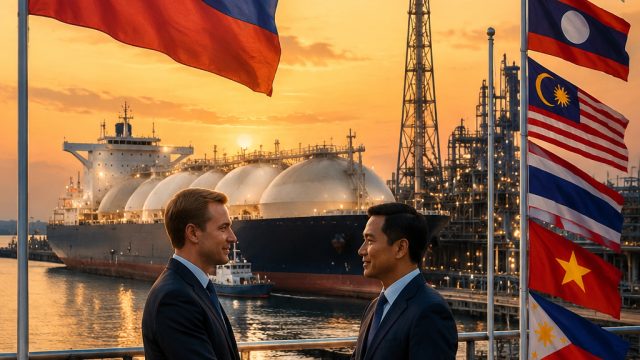
Introduction: A New Energy Landscape
As global energy dynamics continue to evolve, Russia is positioning itself as a key player in Southeast Asia, a region increasingly hungry for reliable energy sources. The geopolitical landscape is shifting, and with it, energy alliances are being redefined. Russia’s expanding footprint in Southeast Asia not only reflects its strategic ambitions but also highlights the region's urgent need for diverse energy solutions.
The Context: Why Southeast Asia Matters Now
Southeast Asia is undergoing rapid economic development, leading to a surge in energy demand. Countries like Indonesia, Vietnam, and Thailand are seeking sustainable energy partnerships to fuel their growth. This presents an opportunity for Russia, which has vast energy resources and is eager to deepen ties beyond its traditional markets.
Energy Demands of Southeast Asia
- Rapid industrialization increasing energy needs.
- Diversity in energy sources sought to ensure resilience.
- Growing interest in renewable energy alongside conventional sources.
Russia's Strategic Moves
President Vladimir Putin’s recent visits and discussions with Southeast Asian leaders underscore a concerted effort to establish Russia as a preferred energy partner. The initiatives include:
- Investment in Infrastructure: Russia is investing in energy infrastructure projects, including pipelines and power plants, showcasing its commitment to long-term partnerships.
- Technology Transfer: Offering technological expertise in energy exploration and production to enhance local capabilities.
- Exporting Natural Resources: Russia aims to export its natural gas and coal to meet the region’s needs, potentially reducing dependence on other suppliers.
The Impact on Global Energy Markets
Russia’s increasing influence in the SEA energy sector could have significant ramifications for global energy markets. As countries like Vietnam and Myanmar diversify their energy sources, traditional suppliers may face increased competition.
Potential Effects on Energy Prices
- Market Volatility: An influx of Russian energy into Southeast Asia could lead to shifts in pricing structures, impacting global oil and gas prices.
- Strategic Alliances: Other nations may seek to bolster their relationships with Southeast Asian countries to counterbalance Russian influence.
Impact on Regional Geopolitics
As Russia strengthens its foothold in Southeast Asia, regional geopolitics will undoubtedly shift. Increased energy ties with Russia might compel other nations like the United States and China to rethink their strategies in the region.
Challenges Ahead
Despite the promising outlook, Russia faces several challenges in solidifying its role in Southeast Asia:
- Competition from Other Energy Suppliers: Countries like the US, Qatar, and Australia are also vying for influence in the region's energy market.
- Geopolitical Tensions: Ongoing tensions between Russia and Western nations may impede cooperation and collaboration with Southeast Asian countries.
- Infrastructure Development: Rapid development of infrastructure is crucial, and delays could hamper Russia's energy ambitions.
Conclusion: A New Chapter in Energy Partnerships
As the world grapples with energy transitions and geopolitical challenges, Russia's proactive approach in Southeast Asia opens a new chapter in energy partnerships. With countries in the region seeking reliable sources and innovative solutions, Russia's rich energy portfolio positions it as a formidable contender. The urgency of this situation cannot be overstated; as Southeast Asia carves its energy future, the implications for global markets and geopolitics will resonate far beyond its borders.