
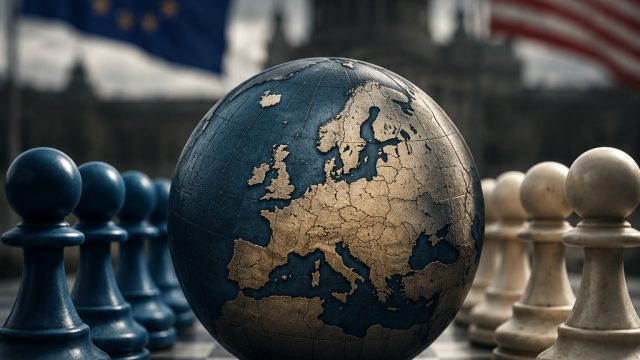
As we approach the mid-2020s, the questions surrounding Europe's sovereignty and its interconnectedness within the global landscape have become more pronounced than ever. With ongoing geopolitical shifts and economic challenges, the dialogue about Europe’s independence versus dependence is critical.
The Current Landscape: A Complex Web of Relationships
European nations find themselves embroiled in a complex web of alliances, dependencies, and rivalries. The war in Ukraine, supply chain disruptions due to global events, and economic fluctuations have all heightened the need for a reassessment of Europe's position in the world. This is not just a matter of political interest; it has real implications for economic stability, security, and national identity.
Geopolitical Dynamics
- Energy Security: Europe’s reliance on external sources for energy has been a hot topic, especially in light of recent crises.
- Trade Agreements: The European Union's trade policies are increasingly scrutinized as nations seek to balance national interests with collective goals.
- Military Alliances: NATO's role in European defense strategy is under discussion, particularly in the context of new threats.
Economic Implications: Independence vs. Interdependence
In today’s global economy, the line between independence and dependence blurs, especially for European countries. The necessity for a strong economy often leads nations to rely on international partners, yet over-reliance can jeopardize national interests.
Key Economic Considerations
- Supply Chain Resilience: Recent events have shown the vulnerability of global supply chains. Europe must invest in local production to ensure resilience.
- Technological Innovation: Fostering innovation within Europe is essential. This independence can drive economic growth and enhance global competitiveness.
- Investment in Infrastructure: Strengthening domestic infrastructure can reduce dependence on foreign investments and increase self-sufficiency.
Social and Cultural Dimensions: Identity in Flux
Beyond economic factors, the social and cultural identity of European nations is also at play. The rise of nationalism and protectionist policies reflects a desire for greater autonomy, while multiculturalism illustrates the benefits of interdependence.
Factors Shaping European Identity
- Migration Policies: How nations handle migration affects cultural landscapes and social cohesion.
- Public Opinion: Increasingly, citizens are voicing their opinions on independence and dependence, shaping political discourse.
- European Values: The balance of maintaining individual national identities while promoting collective European values is crucial for future cohesion.
Conclusion: A Path Forward
The question of how independent or dependent Europe should be is not merely abstract; it is a pressing issue that requires careful navigation. Policymakers, business leaders, and citizens must engage in meaningful discussions to forge a path that prioritizes both sovereignty and interdependence.
Ultimately, Europe's future will hinge on its ability to balance these two forces, fostering a resilient and dynamic community that can thrive amid uncertainty. As we move toward 2026, this balance will define not just the continent's political landscape, but its economic and social fabric as well.