
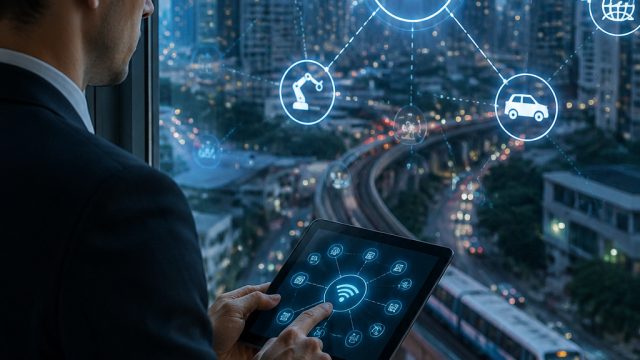
The realm of technology is witnessing an unprecedented shift as the Internet of Things (IoT) continues to evolve, intertwining our daily lives with smart ecosystems at every level. From residential settings to large-scale enterprises, the drive towards connectivity is revolutionizing how we operate and interact. In this rapidly changing landscape, understanding the nuances of IoT technology has never been more vital.
Understanding the Current IoT Boom
As of now, the global market for IoT is experiencing exponential growth, driven by advancements in intelligent technologies that facilitate communication, data analysis, and automation. This modern era beckons a closer look at how IoT is reshaping industries and consumer behavior.
Key Drivers of IoT Expansion
- Increased Connectivity: With the advent of 5G technology, devices can now communicate faster and more reliably than ever. This advancement amplifies the capabilities of IoT applications, making them indispensable.
- Data-Driven Decisions: Businesses are increasingly relying on data analytics powered by IoT devices. This influx of real-time information allows organizations to make informed decisions quickly.
- Consumer Demand: The desire for smart home devices and automation solutions has skyrocketed, pushing manufacturers to innovate continuously.
Impact on Various Industries
The influence of IoT technology is profound across multiple sectors, presenting unique opportunities and challenges. Here’s how it’s impacting key industries:
Healthcare Revolutionized
In the healthcare sector, IoT devices are enhancing patient monitoring and care management. Wearable technology enables remote health tracking, reducing hospital visits while improving patient outcomes. This shift is crucial, especially in the era of telemedicine.
Manufacturing and IoT
Manufacturers are leveraging IoT technology to optimize operations through predictive maintenance and real-time analytics. By integrating smart sensors into machinery, companies can anticipate failures, minimize downtime, and increase productivity.
Smart Cities and Infrastructure
Municipalities across the globe are adopting IoT solutions to create smart cities. From traffic management systems to energy-efficient buildings, the integration of IoT technologies aids in enhancing urban living standards while addressing sustainability concerns.
Challenges and Considerations
While the benefits of IoT are compelling, organizations must also navigate several challenges. Here are some considerations:
- Security Risks: As more devices connect to the internet, the potential for cyber threats increases. Businesses must invest in robust security measures to protect sensitive data.
- Interoperability: Ensuring that various devices and platforms can communicate effectively remains a significant hurdle in the IoT landscape.
- Regulatory Compliance: Organizations must stay informed about regulations governing data use and privacy to avoid legal pitfalls.
Looking Ahead: The Future of IoT Technology
The future of IoT technology is bright, indicating a trend toward deeper integration across all facets of life. Emerging technologies like artificial intelligence (AI) and machine learning are set to propel IoT capabilities even further, unlocking new possibilities for automation and efficiency.
Conclusion
In conclusion, the surge in IoT technology is not merely a trend but a significant shift that businesses and individuals must adapt to. As smart ecosystems expand, the potential for innovation and growth is limitless. Staying ahead in this evolving landscape requires an understanding of the implications and opportunities presented by IoT. Embrace the future and explore how IoT can help reshape your world, both personally and professionally.