
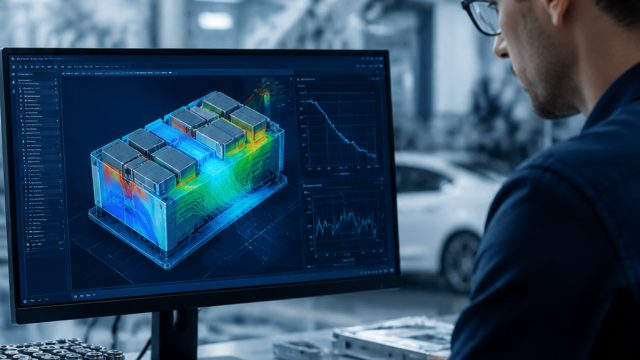
The landscape of battery technology is undergoing a paradigm shift, with AI simulation optimization at its forefront. As industries and governments globally push for sustainable energy solutions, the importance of efficient battery development cannot be overstated. Companies are increasingly turning to advanced software tools to streamline their processes, enhance product performance, and meet sustainability goals. This article explores the growing significance of AI simulation optimization in the battery simulation software market and why it matters now more than ever.
The Push for Sustainable Energy Solutions
With climate change concerns escalating, sectors across the board are embracing greener technologies. The demand for efficient batteries is surging as electric vehicles (EVs), renewable energy storage, and portable electronics become ubiquitous. AI simulation optimization provides a pathway to accelerate battery development, reducing time to market and improving overall efficiency.
Accelerating Development Cycles
Traditional battery development methods often involve lengthy cycles that can hinder innovation. AI simulation optimization can significantly shorten these cycles by enabling rapid prototyping and testing:
- Predictive Modeling: AI algorithms can predict how various materials and designs will perform, allowing developers to focus on promising avenues quickly.
- Data-Driven Decisions: By analyzing vast amounts of data, AI helps identify key performance indicators that drive successful outcomes.
- Iterative Testing: Simulations allow for continuous improvement without the need for physical prototypes, saving time and resources.
Enhancing Product Performance
As competition intensifies in the battery manufacturing sector, companies are seeking ways to differentiate their products through superior performance. AI simulation optimization plays a pivotal role in this quest by providing insights that lead to higher efficiency and longevity of battery systems.
Key Benefits of AI in Battery Optimization
Integrating AI simulation into the battery development process leads to several advantages:
- Improved Energy Density: AI can optimize the composition of battery materials to enhance energy density, enabling longer-lasting power sources.
- Thermal Management: Effective thermal management strategies derived from simulations help prevent overheating and extend the lifespan of batteries.
- Cost-Effectiveness: Identifying optimal configurations reduces material waste and lowers production costs.
AI Simulation as a Competitive Edge
In an industry driven by rapid innovation, staying ahead of competitors is critical. Companies leveraging AI simulation optimization are likely to gain a significant market advantage. By adopting cutting-edge technologies, these organizations are better equipped to address client needs and improve overall product offerings.
Real-world Applications
Leading manufacturers are already harnessing AI simulation optimization to transform their battery technologies:
- Automotive Sector: EV manufacturers utilize simulations to enhance battery safety and performance, ensuring their vehicles meet rigorous standards.
- Consumer Electronics: Firms are developing lighter, more efficient batteries for gadgets, enhancing user experience.
- Renewable Energy: Battery storage systems optimized through AI are essential for making renewable sources like solar and wind energy viable.
Conclusion
The integration of AI simulation optimization into battery development is not just a trend; it’s a necessity for companies aiming to lead in the energy transition. As sustainability becomes a non-negotiable for businesses, investing in the right technologies will determine market leaders. The urgency for innovation is palpable, and as industries adapt to these advancements, the next generation of battery technologies will emerge more robust, efficient, and sustainable than ever before. Embracing AI in battery simulation will undoubtedly shape the future of energy solutions.