
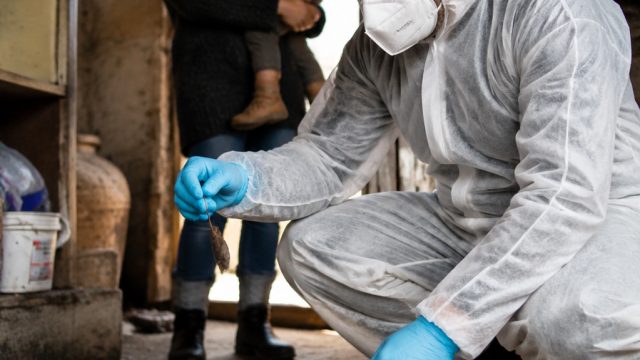
In a significant development, the quarantine of 18 Americans who were exposed to hantavirus during a cruise has officially come to an end. This situation highlighted the importance of public health protocols and the measures required to manage potential outbreaks effectively. As public health authorities step back from this unique scenario, it’s crucial to examine what has been learned and how future outbreaks can be better managed.
The Hantavirus Outbreak: A Brief Overview
The hantavirus outbreak was initially reported on a cruise ship, leading to immediate action by health authorities. Passengers were subjected to a quarantine in Nebraska, where they were monitored for any signs of the virus. The virus, primarily transmitted through rodent droppings, can have serious health implications. Understanding its transmission and prevention is essential for public safety.
Impact of the Quarantine
During the six-week quarantine, those affected experienced heightened stress and uncertainty. Public health officials utilized this period not just for monitoring health, but also for gathering data on human responses to quarantine measures. Some key impacts included:
- Increased awareness of hantavirus and its symptoms.
- Enhanced communication strategies from health authorities to affected individuals.
- A focus on mental health resources for those quarantined.
What We Learned from the Experience
The conclusion of the quarantine period is not just an end, but a beginning of sorts for health officials looking to improve protocols for handling similar situations in the future. Here are some crucial lessons learned:
1. Importance of Rapid Response
Timely intervention is critical in preventing the spread of infectious diseases. The quick response from health agencies not only contained potential exposure but also provided a framework for managing similar situations. Establishing a rapid response team is vital for public health safety.
2. Health Education is Key
Public knowledge about hantavirus remained limited prior to this incident. The outbreak served as an educational opportunity, demonstrating the necessity of ongoing health education regarding zoonotic diseases and their potential sources, such as rodents.
3. Mental Health Considerations
The mental strain of prolonged quarantine cannot be overlooked. As a result, there is a growing call for integrating mental health support into public health emergency protocols. Addressing psychological well-being is just as vital as physical health during such crises.
Future Precautions: What Comes Next?
With the quarantine behind them, the passengers are now returning home to their respective states. However, the implications of this incident extend beyond those directly involved. As public health officials reassess their strategies, several key areas need to be addressed:
1. Enhanced Surveillance Systems
Monitoring potential outbreaks at the community level must become a priority. Implementing advanced surveillance systems can help identify outbreaks before they spread, allowing for quicker intervention strategies.
2. Continued Research on Hantavirus
The scientific community must prioritize research on hantavirus to understand its transmission better and develop potential vaccines or treatments. Collaboration with global health organizations can enhance these efforts.
3. Strengthening Community Resilience
Communities need to be resilient in the face of public health challenges. Efforts to train community health workers and raise awareness about disease prevention can strengthen the fabric of community health.
Conclusion: A Call for Proactive Measures
The conclusion of the hantavirus quarantine is a moment of relief for those involved, but it is equally a call to action for health officials and the public. The experiences from this outbreak underscore the necessity of preparedness, education, and rapid response. As we move forward, embracing proactive measures will not only enhance our readiness for future outbreaks but also protect public health comprehensively.