
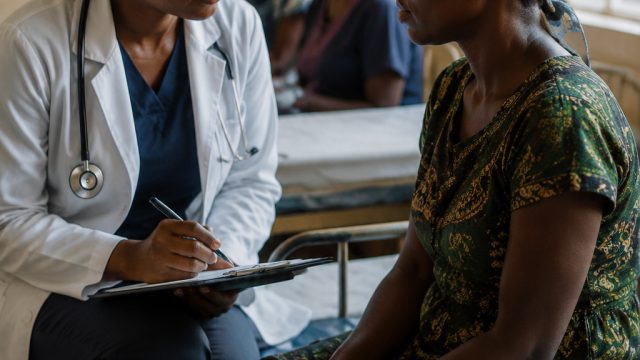
In many parts of the world, a silent yet devastating health crisis persists, primarily affecting women during childbirth. Obstetric fistulas, often resulting from prolonged and obstructed labor without access to timely medical intervention, have left countless women suffering in silence. This issue has gained alarming prominence, highlighting the need for immediate action and awareness.
The Reality of Obstetric Fistulas
Obstetric fistulas occur when a woman experiences a tear between her birth canal and bladder or rectum, frequently due to prolonged labor. This condition not only causes severe physical distress but also leads to significant psychological and social implications for those affected. According to healthcare professionals, this issue is most prevalent in regions with limited access to maternal healthcare facilities.
Understanding the Causes
- Prolonged labor without medical assistance
- Obstructed labor due to the baby's position
- Lack of education on maternal health
- Cultural barriers preventing women from seeking help
Impact on Women’s Lives
The consequences of obstetric fistulas extend far beyond physical health. Women suffering from this condition often face social stigma, isolation, and mental health challenges. Many are unable to work, resulting in financial strain for themselves and their families.
Social Stigma and Isolation
The condition can lead to incontinence, causing embarrassment and leading many women to withdraw from their communities. This social isolation further complicates their recovery and access to necessary support systems.
The Importance of Timely Medical Intervention
Access to skilled healthcare providers during childbirth is crucial in preventing obstetric fistulas. When complications arise during labor, timely interventions can save both mother and child. The following measures could significantly reduce the occurrence of this condition:
- Improving access to maternal healthcare services
- Training healthcare professionals in emergency obstetric care
- Raising awareness about maternal health and the risks of unattended labor
- Implementing community-based programs to educate women
Current Initiatives and Solutions
Various organizations are working tirelessly to address the issue of obstetric fistulas. These initiatives focus on prevention, education, and treatment, showcasing the importance of collective action in combating this health crisis.
Educational Programs
Community outreach programs aimed at educating women about their health and childbirth options are essential. By empowering women with knowledge, they can make informed decisions about their health and seek help more readily.
Healthcare Accessibility
Expanding healthcare access remains a priority, especially in rural areas where many women give birth. Mobile clinics and telemedicine are emerging as effective ways to reach those who might not otherwise receive adequate care.
Collaborative Efforts
Global partnerships between governments, NGOs, and healthcare providers are crucial to addressing obstetric fistulas. Collaborative efforts can lead to shared resources and knowledge, improving the overall landscape of maternal health.
Conclusion: A Call for Action
The issue of obstetric fistulas is a pressing health crisis that requires immediate attention. By prioritizing maternal health, improving access to quality care, and raising awareness, we can change the narrative for countless women suffering in silence. It is essential for communities, governments, and organizations to come together and take action, ensuring that no woman faces childbirth without the care she needs. The time to act is now.