
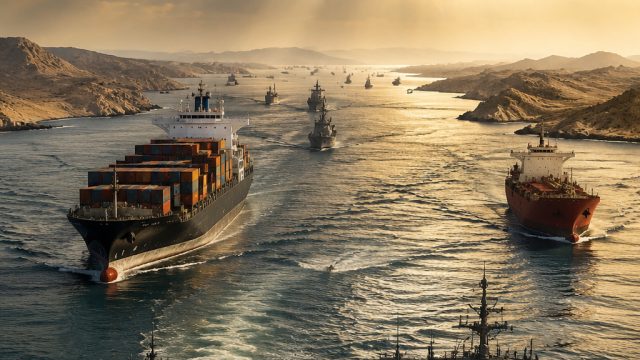
In recent weeks, maritime traffic through the Strait of Hormuz has notably increased, signaling a cautious thaw in tensions between the United States and Iran. This crucial maritime corridor, which sees a significant portion of the world’s oil supply passing through, has become a focal point of geopolitical dynamics as both nations attempt to reconcile their differences over nuclear monitoring protocols.
Current Maritime Trends in the Strait of Hormuz
The Strait of Hormuz remains one of the most strategically important waterways globally, with commercial traffic experiencing a resurgence as diplomatic engagements between the U.S. and Iran unfold. According to shipping data, the volume of vessels traversing the strait has risen sharply, a development that comes amidst fluctuating oil prices and ongoing discussions regarding Iran's nuclear ambitions.
Factors Driving Increased Traffic
- Diplomatic Resolution Efforts: The unfolding dialogues aimed at easing tensions may have reassured shipping companies, resulting in increased shipping activities.
- Global Energy Demand: As economies rebound from the pandemic, a surge in energy demands has led to a rise in oil shipments through this critical route.
- Market Stability Concerns: Businesses are eager to secure their supply chains amid geopolitical uncertainty, leading to more shipments being planned.
The Diplomatic Landscape: Contradictions and Concerns
Despite the positive movement in maritime activities, the diplomatic environment remains complicated. Officials from both the U.S. and Iran have recently provided conflicting narratives regarding nuclear monitoring agreements. The lack of consensus on this front illustrates the fragility of the current situation, as differing interpretations of agreements could lead to renewed tensions.
Understanding the Nuclear Monitoring Dispute
The essence of the disagreement centers on the extent to which Iran is willing to allow international oversight of its nuclear activities. While some sources suggest that Tehran is open to hosting nuclear monitors, U.S. officials have expressed skepticism, emphasizing the need for clear, actionable commitments.
The Impact on Global Shipping and Energy Markets
As the world watches these developments closely, the implications for global shipping and energy markets are significant:
- Oil Prices: Any disruption or escalation in tensions could lead to spikes in oil prices, influencing markets worldwide.
- Shipping Insurance Rates: Increased perceived risks could elevate insurance costs for ships navigating the Strait of Hormuz, further impacting global shipping costs.
- Supply Chain Management: Companies relying on oil imports must navigate the complexities of potential supply chain disruptions.
What This Means for Businesses and Consumers
As tensions fluctuate, businesses need to adopt robust risk management strategies. Understanding the geopolitical landscape can help companies mitigate risks associated with shipping and supply chains. For consumers, the ramifications may manifest as fluctuations in fuel prices and energy costs.
Adapting to Changing Circumstances
Here are a few strategies that businesses can employ to navigate this complex environment:
- Diverse Sourcing: Consider diversifying supply sources to avoid over-reliance on any single route.
- Real-Time Monitoring: Utilize technology for real-time tracking of shipping routes, allowing for quick adjustments in response to emerging risks.
- Risk Assessments: Regularly assess geopolitical risks and their potential impacts on operations and logistics.
Conclusion: Keeping a Close Eye on Maritime Developments
The rise in traffic through the Strait of Hormuz is a positive development amidst complex geopolitical challenges. However, as the U.S. and Iran continue to negotiate the terms of nuclear monitoring, the situation remains fluid. Stakeholders in the shipping industry, energy markets, and businesses must remain vigilant and adaptable to navigate the uncertainties that lie ahead. As this narrative unfolds, the world will be keenly observing the Strait of Hormuz, a crucial artery for global commerce and stability.