
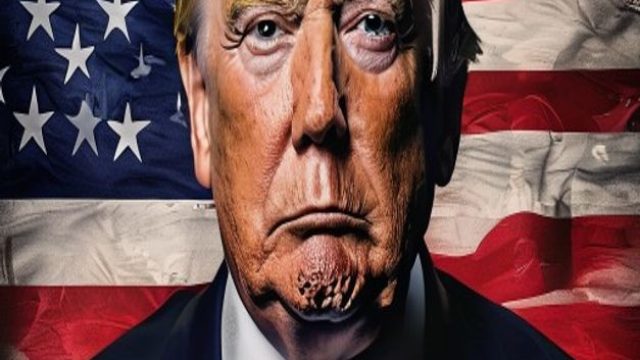
As the world watches the United States navigate its political landscape under the Trump administration, a troubling trend has emerged: fewer countries view America as a reliable partner. Recent findings from the Pew Research Center reveal that global confidence in Donald Trump has plummeted to a mere 23%. This article delves into the implications of these findings and what they mean for America's standing on the world stage.
Understanding the Decline in International Approval
The Pew Research Center's survey highlights a significant decline in America's approval ratings, particularly among traditional allies. This decrease is not just a reflection of Trump's policies but also a broader sentiment regarding the U.S.'s role in global diplomacy.
Key Findings from the Pew Survey
- Overall confidence in Trump stood at only 23% among surveyed nations.
- Approval ratings have dropped even within far-right groups in various countries.
- Concerns about America's reliability are growing, impacting international collaborations.
Why This Matters Now: The Global Context
With increasing geopolitical tensions, the perception of the United States as a trustworthy partner is crucial. Countries are assessing their alliances based on the current administration's actions and rhetoric.
Impacts on Diplomatic Relations
The perception of America plays a vital role in shaping diplomatic relations. Here’s how the current climate could affect various aspects of international relations:
- Trade Agreements: Trust is essential in negotiations. A perceived decline in reliability can hinder future trade deals.
- Military Alliances: Allies may reconsider their commitments if they doubt America's willingness to support them in crisis.
- Global Initiatives: Collaborative efforts on issues like climate change or public health could suffer due to mistrust.
The Ripple Effect on Global Perception
The skepticism surrounding Trump's leadership extends beyond politics, affecting cultural and social perceptions of America. As countries reassess their relationships with the U.S., this trend creates a ripple effect that influences public opinion worldwide.
Shifts in Cultural Engagement
Public sentiment towards American culture, products, and values can shift quickly based on the political climate. This means that:
- The entertainment industry may face backlash or support depending on international views of American politics.
- Academic exchanges could diminish if institutions see the U.S. as an unreliable partner.
- Consumer trends may change, with people opting for local over American brands as a form of political statement.
Looking Ahead: Rebuilding Trust
For America to regain its footing on the global stage, rebuilding trust will be vital. This requires a concerted effort from leaders to engage openly with international partners and address concerns.
Strategies for Rebuilding Global Confidence
To restore its reputation, the U.S. could consider the following strategies:
- Consistent Foreign Policy: A clear and consistent approach can help reassure allies of America's commitment.
- Active Participation in Global Issues: Reengaging in international agreements and collaborations can illustrate a willingness to cooperate.
- Public Diplomacy Efforts: Strengthening cultural exchanges and communication can enhance mutual understanding.
Conclusion: The Stakes Are High
The current political landscape poses significant challenges for America's global image. With international trust dwindling, the implications for diplomacy, trade, and cultural engagement become increasingly critical. As the world watches closely, the future of America's role on the global stage hangs in the balance. How the current administration addresses these challenges will shape the perception and reliability of the United States for years to come.