
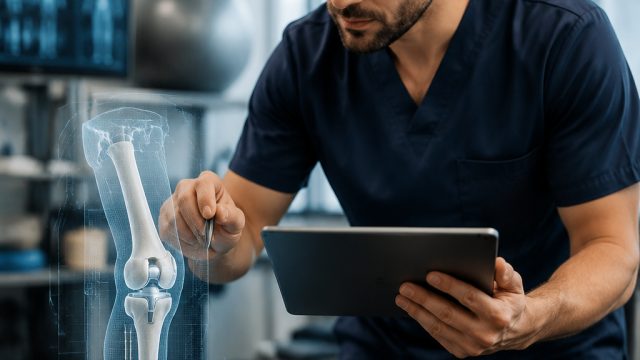
As the healthcare landscape evolves, the focus on orthopedic advancements is increasingly shifting from traditional surgical methods to innovative technology solutions that promise to enhance patient outcomes and streamline care. This change is critical now as the demand for efficient and effective healthcare continues to rise.
The Current State of Orthopedic Technology
Orthopedics has long been associated with cutting-edge surgical technologies, such as robotic systems and advanced imaging techniques. Traditionally, discussions about the future of orthopedic medicine have revolved around innovations within the operating room (OR). However, new trends suggest that the next significant advancements won't necessarily take place in surgical suites but rather within broader healthcare technology ecosystems.
From OR to Outpatient Care
Recent shifts in healthcare delivery models are pushing orthopedics to adapt. Today, healthcare providers are focusing on:
- Enhancing outpatient services to reduce hospital stays
- Implementing telemedicine solutions for patient follow-ups
- Utilizing data analytics to inform treatment plans
These strategies aim to improve patient access and satisfaction while reducing the overall cost of care.
Integrating Technology in Orthopedic Practices
Technology is now playing a crucial role in how orthopedic practices operate. From patient intake to post-operative care, every phase of treatment is being transformed by digital solutions. For instance, the introduction of artificial intelligence (AI) in diagnostic imaging is allowing for quicker and more accurate assessments. Moreover, telehealth platforms enable surgeons to monitor patients remotely, providing timely interventions without the need for in-person visits.
AI and Machine Learning in Orthopedics
AI's impact on orthopedics is profound. It helps:
- Analyze vast databases of patient records to predict outcomes
- Assist in surgical planning by simulating procedures
- Facilitate personalized medicine through tailored treatment plans
As AI technologies continue to advance, the potential to enhance the efficiency and effectiveness of orthopedic care is enormous.
The Rise of Innovative Treatment Modalities
Beyond AI and telemedicine, alternative treatment options are gaining ground. Non-invasive methods and regenerative medicine, such as stem cell therapy and platelet-rich plasma injections, are becoming more mainstream. These approaches not only promise to reduce recovery times but also minimize the need for surgical interventions altogether.
Challenges and Opportunities
While the movement towards technology-driven orthopedic care presents exciting opportunities, it also comes with challenges. Healthcare providers must navigate:
- Data privacy concerns
- Integration of new technologies into existing workflows
- Ensuring equitable access to advanced treatments
Addressing these issues will be essential for the successful adoption of innovative orthopedic solutions. As providers work to overcome these barriers, the potential for improved patient care remains a compelling driver for change.
The Need for Collaboration in Healthcare Innovation
To harness the full potential of these advancements, collaboration across disciplines is critical. Orthopedic surgeons, technology developers, and healthcare providers must come together to create solutions that are not only effective but also user-friendly for both patients and caregivers. This collaborative approach encourages a culture of continuous improvement and innovation.
A Call to Action
The future of orthopedic care hinges on embracing change and prioritizing technology integration. Healthcare providers should actively seek out partnerships with tech innovators to advance their practices. As we look ahead, the role of technology in orthopedics will only become more significant, demanding a proactive stance from all stakeholders involved.
Conclusion
The orthopedic field is at a pivotal moment. By focusing on innovations beyond the OR, we can enhance patient experiences, improve outcomes, and streamline healthcare delivery. As the healthcare sector continues to adapt, staying ahead of technological trends will empower orthopedic practices to provide the best possible care. The time to embrace this shift is now—let’s redefine what is possible in orthopedic medicine.