
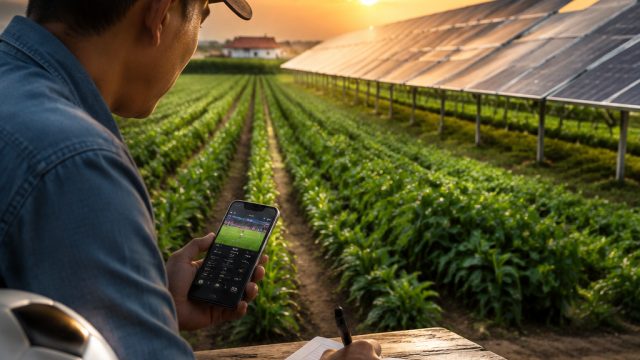
As the world shifts towards renewable energy, an unexpected challenge is emerging: the impact of expansive solar farms on agricultural land. This pressing issue is not just about energy; it’s about the very foundation of our food systems and environmental sustainability. In light of recent developments in solar energy infrastructure, it’s crucial to examine the implications of this growing trend.
The Solar Expansion: What’s Happening Now?
In recent years, solar energy has surged in popularity as a viable alternative to fossil fuels. Governments and private sectors alike are investing heavily in solar infrastructure to combat climate change and reduce carbon footprints. This shift is largely driven by the urgent need for sustainable energy sources amidst global warming.
Land Use Conflicts
However, the rapid expansion of solar farms is often at odds with agricultural practices. Many solar projects are situated on prime agricultural land, sparking debates over land use priorities. Here are some key points to consider:
- Food Production: The encroachment of solar farms onto arable land threatens food security and local farming economies.
- Soil Degradation: Large-scale solar installations can disrupt soil health, affecting crop yields and biodiversity.
- Community Resistance: Local communities often oppose solar projects that sacrifice agricultural land for energy production.
Economic Considerations: Balancing Energy and Agriculture
The economic implications of solar farm expansion are multifaceted. While these projects can create jobs and provide clean energy, they also pose significant risks to the livelihoods of farmers and agricultural workers. It’s essential for policymakers and businesses to find a balance that supports both renewable energy initiatives and agricultural sustainability.
Job Creation vs. Job Loss
While solar farms generate a range of jobs in construction, maintenance, and operations, the reduction in available farmland can lead to job losses in agriculture. The challenge lies in aligning workforce development efforts with the transitional needs of affected communities.
Potential Solutions
To navigate this complex terrain, several strategies can be employed:
- Agri-Voltaics: Integrating solar panels with agricultural crops could allow for dual use of land, maximizing productivity.
- Regulatory Frameworks: Governments should establish clear guidelines that prioritize land use while promoting solar energy growth.
- Community Engagement: Engaging local communities in decision-making processes leads to sustainable and acceptable solutions.
Social and Environmental Responsibility
As the conversation around renewable energy continues to evolve, it is vital to address the environmental and social responsibilities that accompany solar energy projects. The balance between energy production and conservation must be achieved not only for the present but for future generations.
Environmental Impact Assessments
Conducting thorough environmental impact assessments (EIAs) before the establishment of solar farms can help mitigate potential risks to agriculture and local ecosystems. EIAs can evaluate:
- The potential effects on local wildlife and habitats.
- Water resource management and its implications for farming.
- The long-term sustainability of using agricultural land for solar energy.
Community Benefits Programs
Developing programs that benefit local communities affected by solar farm projects can foster goodwill and cooperation. These programs might include:
- Financial incentives for farmers who lease their land for solar use.
- Investments in community infrastructure that supports both energy and agriculture.
- Educational initiatives focused on sustainable practices.
Conclusion: A Call to Action
As we stand at the crossroads of energy innovation and agriculture, the choices made today will shape our future. The interaction between solar energy development and agricultural sustainability must be approached with caution and foresight. A collaborative effort involving stakeholders from both sectors can lead to solutions that benefit our planet and its people. Now is the time to engage in meaningful dialogue and action to ensure a sustainable future for generations to come.