
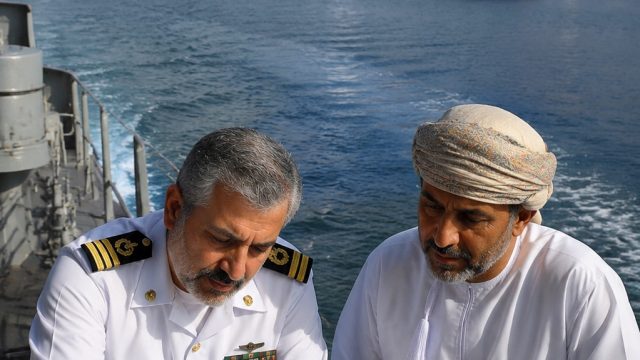
In a significant development in Middle Eastern geopolitics, Iran and Oman have announced their collaboration on maritime navigation in the strategically vital Strait of Hormuz. This partnership comes at a critical time when discussions around nuclear inspections and regional security are intensifying.
Context of the Recent Nuclear Talks
The backdrop of this announcement includes recent assertions by US President Donald Trump, who claims that Iran has agreed to maintain transparency regarding its nuclear activities. Trump emphasized the importance of what he termed "nuclear honesty" from Tehran, signaling a potential shift in diplomatic relations.
Iran's Response
However, the Iranian foreign ministry has countered these assertions, stating that there are currently no agreements in place for the International Atomic Energy Agency (IAEA) to inspect sites previously damaged by US and Israeli airstrikes. This discrepancy raises questions about the authenticity of the commitments being made and the future of nuclear oversight in the region.
Oman and Iran's Partnership
Oman's involvement is crucial, as it seeks to mediate tensions between Iran and Western nations. The two countries have formed a dedicated team to address issues concerning navigation within the Strait of Hormuz, a vital waterway through which a significant portion of the world’s oil supply is transported.
- Strategic Importance: The Strait of Hormuz is pivotal for energy security globally.
- Regional Stability: Collaboration may enhance stability and reduce hostilities in the area.
- Diplomatic Channels: Engaging coastal nations and stakeholders to foster dialogue.
Potential Impact on Global Energy Markets
The implications of this partnership extend beyond regional dynamics. With global energy markets often responding to security developments in the Middle East, any increase in cooperation between Iran and Oman could stabilize oil prices, which have recently been volatile due to geopolitical tensions.
Engagement with Coastal Nations
As part of their agreement, Oman and Iran plan to engage in discussions with coastal nations and other stakeholders to formalize their maritime navigation arrangements. This strategy highlights the importance of a collective approach to regional security and the administration of shared resources.
International Reactions
International responses to this collaboration have varied. Some nations express hope that such partnerships could lead to more effective management of maritime routes, while others remain skeptical about Iran's intentions regarding nuclear transparency.
- Positive Outlook: Potential for enhanced cooperation in maritime security.
- Concerns: Skepticism regarding Iran's nuclear commitments remains prevalent.
- Global Watch: Analysts are closely monitoring developments for signs of lasting peace.
Looking Forward: The Future of Regional Relations
As Iran and Oman move forward with their maritime agreements, the broader implications for regional relations and nuclear negotiations remain to be seen. The success of these initiatives could redefine how countries in the region interact and manage shared resources.
Furthermore, if Iran can demonstrate compliance with international nuclear protocols while fostering cooperative relationships, it may open doors for further economic opportunities and integration into the global community.
Conclusion: A Pivotal Moment for Middle Eastern Diplomacy
In conclusion, the recent announcement from Iran and Oman signals a pivotal moment in Middle Eastern diplomacy. As nations grapple with the complexities of nuclear politics and security on the high seas, the outcomes of these discussions will likely have far-reaching effects on both regional stability and global energy markets. Continued engagement and dialogue among all stakeholders will be crucial in promoting peace and cooperation in this strategically significant area.