
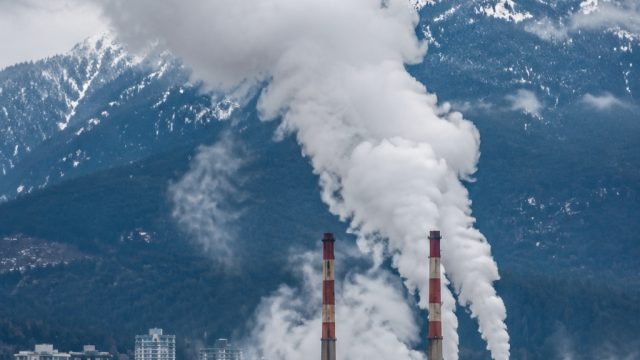
The ongoing industrial activities in British Columbia have raised significant concerns over air quality. Recent discussions surrounding the region's air pollution levels have sparked a debate about the balance between economic growth and environmental welfare. This is particularly relevant as the government under David Eby has committed to promoting the fossil fuel industry, which may lead to increased emissions of harmful pollutants.
The Rising Threat of Air Pollutants
As industrial operations expand, the expected surge in harmful air pollutants poses a growing threat to public health. Key pollutants associated with these activities include:
- Nitrogen Dioxide (NO2)
- Sulphur Dioxide (SO2)
- Fine Particulate Matter (PM2.5)
- Benzene
These substances have been linked to various health issues, particularly respiratory and cardiovascular diseases. As more industries look to expand their operations, the potential for a toxic atmosphere becomes a pressing concern.
Health Risks from Air Pollution
The health implications of increased air pollution are alarming. Studies have shown that higher concentrations of nitrogen dioxide and fine particulate matter can exacerbate conditions such as asthma and bronchitis. Moreover, long-term exposure can lead to serious cardiovascular problems, significantly impacting community health.
Regulatory Framework and Economic Growth
In the face of these challenges, the British Columbia government must navigate a complex landscape of economic opportunity and ecological responsibility. The support for fossil fuel industries raises questions about regulatory measures in place to protect air quality.
Current Policies and Their Impacts
The provincial government's strategy to subsidize the fossil fuel sector could undermine existing regulations aimed at controlling emissions. This policy direction suggests a prioritization of economic growth over environmental health, potentially leading to a deterioration of air quality.
- Increased emissions from industrial sources
- Higher health care costs associated with pollution-related diseases
- Long-term environmental degradation affecting communities
While some may argue that economic development is essential for community prosperity, it is crucial to consider the long-term impacts of air pollution on public health and the environment.
Community Response and Future Directions
The community response to rising air pollution levels has been significant. Advocacy groups and concerned citizens are calling for stronger regulations and more transparency from the government regarding emissions. As the situation evolves, public pressure may compel lawmakers to reassess their strategies and prioritize health over industrial expansion.
The Role of Public Awareness
Raising awareness about the health risks associated with air pollution is essential. Educational campaigns can inform residents about how to protect themselves and advocate for cleaner air initiatives. By uniting the community, residents can push for changes that prioritize their health and well-being.
Conclusion
The current trajectory of air pollution in British Columbia is concerning, especially as industrial activities continue to expand without stringent regulatory oversight. The potential health risks associated with increased emissions of nitrogen dioxide, sulphur dioxide, and other harmful pollutants cannot be overlooked. As the government promotes the fossil fuel industry, it is critical to balance economic interests with the imperative for a healthy environment. Moving forward, public engagement and advocacy will play vital roles in shaping policies that protect both the economy and the health of British Columbians. Together, communities must strive for a future that prioritizes clean air and sustainable growth.