
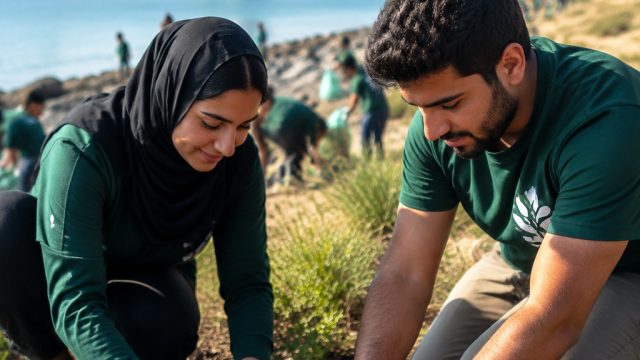
Transforming Waste into Value: Dubai's Innovative Sea to Soil Initiative
In an era where environmental sustainability is paramount, Dubai is taking significant strides to address waste management through an innovative new initiative called Sea to Soil. Launched in partnership with ReFarm, this project aims to convert organic waste into nutrient-rich soil, fostering a more sustainable urban environment while enhancing community engagement.
The Need for Sustainable Solutions
As cities expand, so do the challenges of waste management. Traditional methods of waste disposal, such as landfilling, are no longer viable solutions for urban centers like Dubai. The Sea to Soil initiative is a remarkable step that aims to mitigate these challenges by transforming organic waste into a resource. This innovative approach aligns perfectly with global sustainability goals, making it a timely response to pressing environmental issues.
What is Sea to Soil?
Sea to Soil is a pioneering project that seeks to convert organic waste from households and businesses into compost. By implementing advanced composting techniques, the initiative not only minimizes waste but also produces high-quality soil that can be utilized in local landscaping and agricultural efforts.
Some key aspects of the initiative include:
- Community Involvement: Residents are encouraged to participate actively by composting their organic waste, thus fostering a culture of sustainability.
- Partnership with ReFarm: The collaboration brings expertise in organic waste management, ensuring the successful execution of the project.
- Education and Awareness: Workshops and community events will be organized to educate the public about the importance of composting and sustainable practices.
Benefits of the Sea to Soil Initiative
Implementing the Sea to Soil project has numerous benefits for the community and the environment:
Environmental Impact
By diverting organic waste from landfills, the initiative aims to:
- Reduce greenhouse gas emissions associated with decomposing waste.
- Enhance soil quality, leading to better plant health and biodiversity.
- Contribute to reducing the urban heat island effect, making the city more livable.
Economic Advantages
The project also offers economic benefits, such as:
- Creating job opportunities in the fields of waste management and landscaping.
- Reducing costs associated with waste disposal and landfill management.
- Encouraging local businesses to participate in sustainable practices, enhancing their marketability.
Community Engagement and the Future
One of the most significant aspects of the Sea to Soil initiative is its focus on community engagement. By transforming residents into active participants in waste management, Dubai is fostering a sense of ownership and responsibility towards the environment. This communal approach is essential for the long-term success of sustainability efforts.
How You Can Get Involved
Residents can take part in the Sea to Soil initiative by:
- Participating in local composting workshops.
- Setting up home composting systems to reduce organic waste.
- Spreading the word about the initiative within the community.
As this initiative gains momentum, it is crucial for more residents to get involved and contribute to the collective effort toward a sustainable future. With Dubai leading the way in innovative waste management, the Sea to Soil project not only addresses current environmental challenges but also sets a precedent for other cities to follow.
Conclusion
The Sea to Soil initiative represents a transformative approach to waste management in Dubai, showcasing the power of community involvement and innovative thinking. By partnering with ReFarm, the city is not only tackling waste issues but is also paving the way for a greener, more sustainable future. As cities around the world face similar challenges, the lessons learned from this initiative could serve as a guiding light for sustainable urban development.