
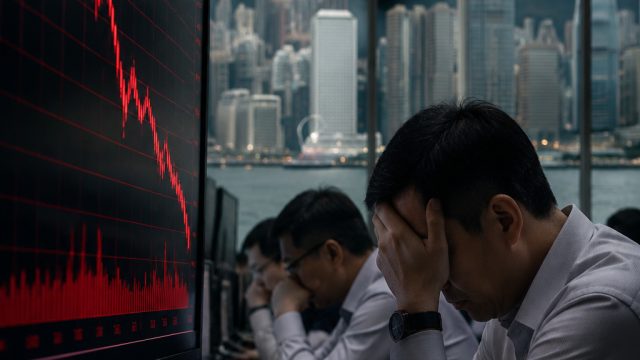
Hong Kong Stocks Face Bear Market Amid Concerns Over Consumer Spending
The Hong Kong stock market is on the brink of entering a bear market as investors grapple with rising concerns over sluggish consumer spending and waning confidence in major e-commerce players. As the financial landscape shifts, it is crucial for market participants to understand the underlying factors driving this trend and its implications for investments and economic stability.
The Current State of Hong Kong Stocks
Recent market analysis reveals that Chinese equities in Hong Kong have seen a significant decline, pushing them closer to bear market territory. The downturn can be linked to a variety of factors, including disappointing retail sales and a significant slow down in consumer confidence. This has amplified fears of an impending economic stagnation.
Understanding Bear Markets
A bear market is defined as a period during which stock prices fall by 20% or more from recent highs. Various indicators suggest that the Hong Kong market is approaching this threshold. The triggers can include a variety of economic factors, such as:
- Declining consumer spending
- Weakening economic indicators
- Increased uncertainty in the global market
- Falling investor sentiment
Consumer Spending: A Key Indicator
Consumer spending is often viewed as a primary driver of economic growth. In Hong Kong, recent reports indicate a troubling trend, as consumers are tightening their wallets. The following points highlight the current state of consumer behavior:
- Retail sales have dipped, signaling cautious spending habits.
- Consumer confidence surveys show significant anxiety about the future.
- Major retail sectors, including luxury goods and e-commerce, are particularly impacted.
As consumer expenditures contract, the ripple effects can be felt across various industries, impacting everything from manufacturing to service sectors.
E-Commerce Challenges
The e-commerce sector, which has been a cornerstone of growth in recent years, is also facing challenges. With a notable slowdown in online shopping activity, several major e-commerce companies are reporting lower than expected earnings. This downturn raises questions about the sustainability of growth in a post-pandemic environment.
Implications for Investors
For investors, the situation calls for a strategic reassessment of portfolios. Understanding the potential for a bear market in Hong Kong is crucial for making informed decisions. Here are some considerations for navigating this tumultuous time:
- Diversify investments to mitigate risk.
- Stay informed on economic indicators and market trends.
- Consider sectors that are less sensitive to consumer spending fluctuations.
As the situation evolves, adapting to changing market dynamics will be essential for protecting and growing investments.
Staying Proactive
In uncertain times, being proactive can involve seeking expert insights and remaining adaptable in investment strategies. Engaging with financial advisors and keeping abreast of market news can provide valuable guidance. Investors should also pay attention to various resources that track financial developments, including:
- Market analysis reports
- Economic forecasts
- Investment webinars and workshops
Conclusion
As Hong Kong's stock market teeters on the edge of a bear market, the interplay of consumer spending, economic sentiment, and e-commerce performance remains critical. For investors, understanding these dynamics is essential to navigating potential downturns and identifying opportunities in resilience. The call to action is clear: stay informed, reassess strategies, and remain vigilant in these rapidly changing economic conditions.