
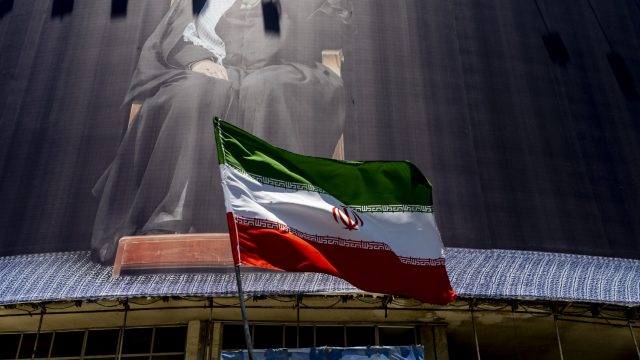
The geopolitical chessboard is constantly shifting, and the Iran Deal stands as a pivotal element in the ongoing discourse surrounding international diplomacy. As tensions simmer in the Middle East, both Washington and Tehran have much at stake, making the preservation of this agreement more essential than ever.
Understanding the Iran Deal
The Joint Comprehensive Plan of Action (JCPOA), commonly referred to as the Iran Deal, was established to curtail Iran’s nuclear ambitions while facilitating economic relief through the lifting of sanctions. This complex agreement plays a critical role in maintaining a semblance of stability in the region.
The Stakes for Washington
For the United States, the Iran Deal is more than just a diplomatic agreement; it is a strategic necessity. With the rise of nuclear proliferation risks in the region, allowing Iran to develop its nuclear capabilities unchecked could have dire consequences. The agreement serves as a check against potential escalation, thereby fostering a more stable international environment.
Iran's Perspective
Tehran views the deal as a lifeline, providing much-needed economic relief amidst crippling sanctions. The benefits of lifting these economic restrictions are significant for Iran, allowing it to reintegrate into the global economy and receive investments that can bolster its infrastructure and industries.
The Role of Regional Stability
One cannot overlook the broader implications of the Iran Deal on regional stability. The agreement has the potential to reduce tensions not only between the United States and Iran but among other Middle Eastern nations as well.
Impact on Alliances
- Strengthened Partnerships: Maintaining the deal may strengthen alliances with European partners who are keen on diplomatic resolutions over military confrontations.
- Reducing Extremism: A stable Iran can contribute to a more moderate regional stance, which is vital in combating extremist ideologies.
- Encouraging Dialogue: The deal opens channels for communication, fostering a diplomatic culture that could address other contentious issues in the region.
The Ripple Effect
The implications of the Iran Deal extend beyond its immediate context. A successful and sustained agreement may influence how other nations perceive nuclear negotiations. It can serve as a model for future diplomatic engagements, encouraging nations to pursue dialogue over confrontation.
Challenges Ahead
Despite its potential benefits, the Iran Deal is not without challenges. Factors such as domestic political pressures in the U.S. and Iran, as well as actions by regional adversaries, continue to threaten its future.
Domestic Political Landscape
In the U.S., the fluctuating political climate poses a significant hurdle. Legislative changes can impact the sustainability of the deal. Ensuring bipartisan support is crucial for its longevity, especially in an era of increasing polarization.
External Pressures
- Regional Rivalries: Countries like Saudi Arabia and Israel view Iran's influence with great suspicion, often advocating for more aggressive policies that run counter to the deal.
- Sanctions and Compliance: Maintaining compliance with the terms of the agreement is essential, and any violations can trigger a cascade of consequences, including the reimposition of sanctions.
Conclusion: The Path Forward
The Iran Deal remains a cornerstone of contemporary diplomatic efforts, not just for the United States and Iran, but for global peace and stability. As we navigate these tumultuous waters, it is imperative that all parties involved recognize the importance of dialogue and cooperation. Preserving this agreement is essential not only for immediate geopolitical concerns but for shaping the future of international relations.
As the world watches, the enduring question remains: will the Iran Deal withstand the tests of time and politics? The answer could define the trajectory of global diplomacy for years to come.