
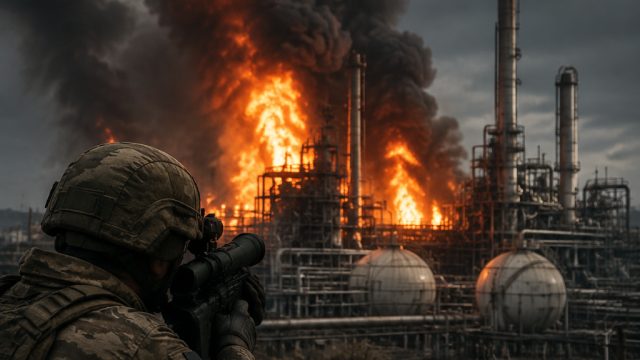
In a significant escalation of the ongoing conflict, Ukrainian Defense Forces have launched a targeted strike against the Orenburg Gas Processing Plant (GPP), the only helium production facility in Russia. This operation, carried out under the cover of night, marks a crucial moment in the military strategy of Ukraine, aiming to disrupt the enemy's resource supply and technological capabilities.
The Importance of Helium in Modern Warfare
Helium is not just a party supply item; it plays a pivotal role in various military and aerospace applications. The gas is essential for cooling systems in military equipment, including drones and satellites, making it a crucial target for Ukraine’s military strategy. By targeting the helium plant, Ukrainian forces aim to hinder Russia's capabilities in reconnaissance and communication technologies.
Strategic Military Implications
- Disruption of Supply Chains: Damaging facilities like the Orenburg GPP directly impacts Russia's ability to sustain its military operations.
- Psychological Warfare: Targeting critical infrastructure sends a message regarding the vulnerability of enemy resources.
- Technological Setback: The loss of helium production affects various technological operations crucial for military effectiveness.
Recent Developments in the Ongoing Conflict
The attack on the helium plant is part of a broader strategy deployed by Ukraine to target key infrastructure. In addition to the Orenburg GPP, the Ukrainian General Staff reported damage to a significant space communications center known as 'Vladimir'. Such actions indicate a focused effort to disrupt not just the physical resources of the Russian military, but also its technological edge.
What This Means for Future Military Actions
The implications of these strikes are profound. As Ukraine continues to refine its military tactics, the focus on strategic targets such as the helium plant could redefine the landscape of the conflict. Analysts suggest the following potential outcomes:
- Increased Tension: Expect heightened military responses from Russia as they seek to defend critical infrastructure.
- Global Attention: The targeting of key resources draws international scrutiny and may affect diplomatic negotiations.
- Alliances and Support: Ukraine’s offensive actions may attract further support from allied nations concerned about Russian capabilities.
International Reactions and Response
The international community has been observant of these developments, with various countries expressing their opinions on Ukraine's military strategy. Some see this as a necessary course of action to weaken an aggressive adversary, while others caution against escalating conflict. However, the targeting of such crucial resources raises questions about future military engagements and the potential for broader conflicts.
How This Affects Global Energy Markets
The ramifications of targeting a helium plant extend beyond military implications, impacting global energy and resource markets. Helium is used in various industries, from medical imaging to electronics. Disruption in supply could lead to:
- Increased Prices: A shortage in helium supply may lead to price hikes across several sectors.
- Resource Allocation: Countries reliant on helium may seek alternative sources, affecting international trade and relationships.
- Innovation in Alternatives: A potential rise in research to find substitutes for helium in critical applications.
Conclusion: A New Chapter in the Conflict
The Ukrainian strike on the Orenburg GPP marks a vital chapter in the unfolding conflict, showcasing the strategic importance of resource control in modern warfare. As military operations continue to evolve, both the Ukrainian Defense Forces and international observers will be closely monitoring the consequences of this and similar actions. The choices made today will undoubtedly shape the future landscape of both military engagements and international relationships.