
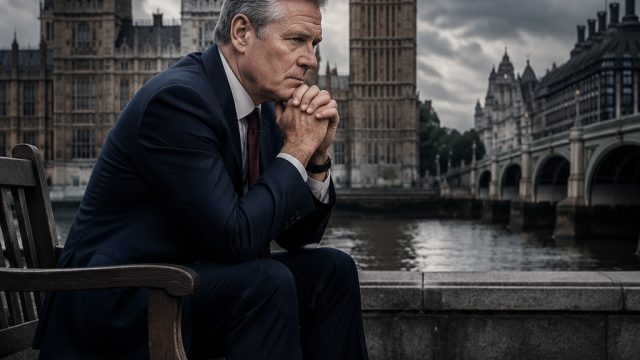
The political landscape in the United Kingdom has shifted dramatically, prompting discussions about the viability of effective governance. Once celebrated for its political stability, the UK faces unprecedented challenges that raise the question: Can the nation be governed effectively in today’s climate?
The Evolving Political Landscape
The UK's political environment has become increasingly complex, marked by a series of factors that contribute to instability. From economic pressures to societal divisions, the challenges facing the government today are multifaceted. Understanding the roots of this turbulence is crucial for evaluating the current leadership's effectiveness.
Economic Pressures and Their Impact
Economic conditions play a significant role in shaping government actions and public perception. With inflation rates soaring and the cost of living crisis affecting millions, political leaders are under immense pressure to deliver results. The UK economy is grappling with numerous issues, including:
- Increased inflation rates affecting everyday expenses
- High energy costs driving up household bills
- Unemployment levels fluctuating amid changing market demands
These economic challenges not only create a sense of urgency for action but also highlight the importance of competent governance. The public’s trust in political leaders can erode rapidly if they perceive a failure to address pressing economic concerns.
Social Divisions and Political Discourse
Another layer of complexity in the UK’s political scene is the rise of social divisions. Issues such as Brexit have polarized public opinion, contributing to a fragmented political discourse. Current leaders must navigate these divisions carefully, as failure to do so could result in further unrest and dissatisfaction among constituents.
Brexit's Lasting Effects
Brexit remains a contentious issue that continues to shape the political landscape. The decision to leave the European Union has led to numerous challenges, including:
- Trade disruptions affecting businesses and consumers alike
- Complications in immigration policies
- Strained international relationships that require delicate management
Political leaders are tasked with finding solutions to these ongoing challenges while also fostering unity among the populace. The ability to communicate effectively and engage in constructive dialogue will be essential as the UK moves forward.
The Role of Effective Leadership in Times of Crisis
In this climate of uncertainty, the importance of effective leadership cannot be overstated. Leaders must exhibit qualities that inspire confidence and demonstrate a commitment to serving the public interest. Key qualities that are essential in today's leadership include:
- Transparency: Open communication regarding decisions and policies fosters trust.
- Empathy: Understanding and addressing the concerns of citizens can bridge divisions.
- Decisiveness: Timely and informed decision-making is crucial in responding to crises.
As the UK grapples with these issues, the capacity for leaders to unite disparate groups and drive meaningful change becomes paramount. The actions taken by government officials now will set the tone for the future of the country and its governance.
Conclusion: The Path Ahead for UK Governance
The current state of UK politics may seem daunting, but it also presents an opportunity for transformation. Leaders who can navigate the challenges posed by economic turmoil and social divisions have the potential to refocus the country’s trajectory. By prioritizing effective communication and public engagement, political figures can work towards re-establishing trust and stability in the governance of the UK. As we move forward, the question remains: can the UK emerge stronger from this period of uncertainty?