
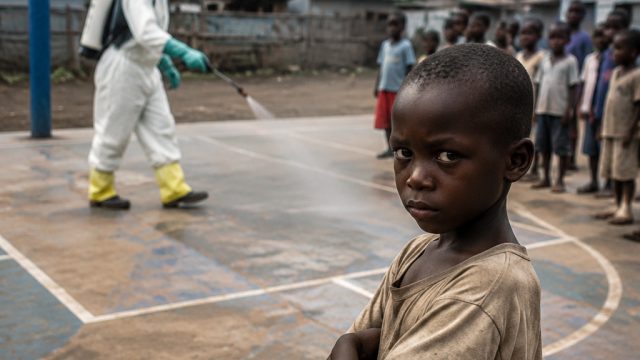
As the Democratic Republic of the Congo faces a staggering increase in Ebola cases, the implications for the region's youth are dire. The latest reports indicate that the number of confirmed Ebola infections has surpassed 1,000, marking a record-high for the initial month of any outbreak. This alarming trend underscores the urgent need for immediate action to protect vulnerable populations, particularly the nearly 3 million children and adolescents living in the affected areas.
Understanding the Current Situation
The World Health Organization (WHO) and UNICEF have raised concerns about the escalating crisis in Eastern DR Congo. The rapid spread of the Ebola virus, primarily driven by the Bundibugyo strain, poses an unprecedented challenge for health authorities and humanitarian organizations working on the ground. As health resources become strained, the safety and well-being of children remain at risk.
Statistics at a Glance
- Ebola Cases: Over 1,000 confirmed cases in the last month.
- Children Affected: Nearly 3 million children at risk due to the outbreak.
- Health Infrastructure: Limited access to healthcare in many affected regions.
The Impact on Children
Children are particularly vulnerable during health crises. The ongoing Ebola outbreak can have several adverse effects on their lives, including:
- Increased Mortality Rates: Young children and infants are at a higher risk of severe illness and death from Ebola.
- Psychological Trauma: Exposure to violence, loss of family members, and disruption of education can lead to long-term psychological effects.
- Disrupted Education: Schools may close during outbreaks, leading to interrupted learning and reduced future opportunities.
Why This Matters Now
The urgency of this crisis cannot be overstated. As health officials scramble to contain the outbreak, the international community must coalesce to provide support and resources. Beyond health, this situation has broader implications for long-term development in the region. Without immediate intervention, the consequences could extend far beyond the current outbreak, affecting generations of children.
How Can You Help?
While the situation may feel overwhelming, there are ways individuals and organizations can contribute to addressing the Ebola crisis:
- Spread Awareness: Share information about the outbreak and educate others on the importance of health and hygiene practices.
- Support Humanitarian Efforts: Donations to organizations like UNICEF can aid in providing necessary medical supplies and support services.
- Advocate for Policy Change: Encourage governments and international bodies to prioritize funding for health initiatives in regions at risk of outbreaks.
Conclusion: A Collective Responsibility
The Ebola outbreak in Eastern DR Congo is a pressing humanitarian emergency that calls for a global response. With 3 million children at risk, it is crucial for all of us to recognize our role in combating this crisis. By staying informed, supporting humanitarian efforts, and advocating for policies that prioritize children's health, we can make a difference. As we navigate these challenging times, let us work together to ensure a safer future for our children.