
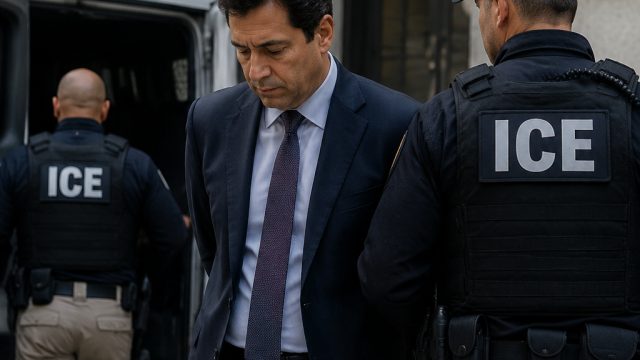
In a significant legal development, U.S. Immigration and Customs Enforcement (ICE) has moved to impose fines exceeding $250,000 against attorney Vinod Doddamani. This action stems from allegations that he submitted fraudulent asylum claims on behalf of multiple clients. As the legal landscape surrounding immigration continues to evolve, this case underscores the critical importance of ethical practices within the legal profession.
Understanding the Allegations
According to the Department of Homeland Security (DHS), ICE's Homeland Security Investigations (HSI) division has issued five Notices of Intent to Fine against Doddamani. These fines are a direct response to allegations that he misrepresented facts in asylum applications, potentially jeopardizing the legitimacy of genuine asylum seekers.
What Constitutes Fraudulent Asylum Claims?
Fraudulent asylum claims can take many forms, including:
- Providing false information about personal circumstances.
- Misrepresenting a client's eligibility for asylum.
- Submitting fabricated documents to support an application.
These actions not only undermine the asylum process but also erode trust in the legal system, making it more challenging for legitimate claims to be processed efficiently.
The Implications of the Case
This case against Doddamani has broader implications for both the legal community and those seeking asylum in the United States. As ICE intensifies its crackdown on fraudulent practices, the risk of penalties could deter unethical behavior among immigration attorneys.
Potential Impact on Immigration Attorneys
The enforcement actions by ICE could lead to several key outcomes:
- Increased Scrutiny: Attorneys specializing in immigration may face heightened scrutiny from regulatory agencies.
- Stricter Compliance Measures: Law firms might implement stricter compliance measures to avoid similar penalties.
- Reputation Damage: Attorneys involved in fraudulent claims may suffer reputational harm, affecting their practice.
As a result, ethical practices in immigration law are more crucial than ever, not just to protect clients but also to preserve the integrity of the legal profession.
Why This Matters Now
In an era where immigration policies are under constant review, cases like this highlight the challenges that genuine asylum seekers face. Asylum claims are already fraught with complexity, and fraudulent practices only serve to complicate matters further. With ICE's increased focus on fraud, it is essential for both attorneys and clients to be aware of the legal landscape.
The Role of Technology
As technology evolves, so too does the ability of regulatory bodies to detect fraudulent activities. Tools such as data analytics and artificial intelligence are making it easier to identify patterns of misconduct. This trend emphasizes the need for immigration lawyers to maintain high ethical standards in their practice.
Conclusion
The case against Vinod Doddamani serves as a crucial reminder of the importance of integrity within the legal profession, especially in the context of immigration law. As ICE enforces its policies more stringently, both attorneys and asylum seekers must navigate a changing landscape with caution and awareness. The repercussions of fraudulent claims extend beyond individual cases; they impact the entire asylum system, making it imperative for all parties involved to commit to ethical practices now more than ever.