
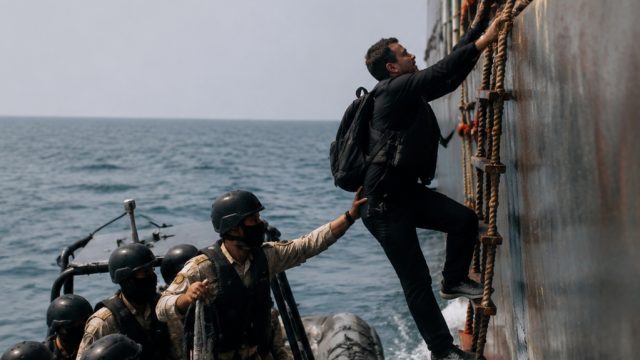
In a significant development for maritime safety and international navigation, the United Nations has initiated a plan to evacuate thousands of sailors stranded in the critically important Strait of Hormuz. This move comes amid rising tensions in the region, highlighting the urgent need for effective maritime management and safety protocols.
Why the Evacuation Is Critical Now
The Strait of Hormuz is one of the most vital shipping lanes in the world, with approximately 20% of global oil trade passing through its waters. The current situation, exacerbated by geopolitical tensions, has left about 11,000 sailors unable to return home. The UN's decision to evacuate these sailors is not just about their safety; it’s also about maintaining the stability of international shipping and trade.
Understanding the Evacuation Process
The UN's evacuation plan involves multiple stages to ensure that all stranded sailors are safely transported back to their respective countries. The process is being coordinated in collaboration with maritime organizations and local governments to ensure efficiency and security. Below are key aspects of the evacuation plan:
- Assessment: The UN will conduct assessments to determine the health and safety of the sailors before evacuation begins.
- Transport: Organized transport will be provided, including ships and helicopters, to facilitate a rapid evacuation.
- Support Services: Medical and psychological support will be available for sailors during the evacuation process.
- Coordination: Coordination with the affected countries will ensure a smooth transition for the sailors upon arrival.
Potential Impact on Maritime Trade
The evacuation of sailors from the Strait of Hormuz could have far-reaching implications for maritime trade and global oil prices. As shipping companies and maritime businesses are closely monitoring the situation, the potential for increased shipping rates and insurance costs could arise if tensions persist. This situation emphasizes the need for robust maritime security measures and international cooperation.
Geopolitical Tensions in the Region
The evacuation comes at a time of heightened tensions between the United States and Iran, primarily surrounding issues related to nuclear agreements and maritime security. As military presence in the region intensifies, the risks for commercial vessels increase. The presence of naval forces not only offers protection but also raises concerns over potential conflicts that could disrupt shipping lanes further.
International Response and Support
In response to the evacuation notice, various countries have begun to express their support for the UN’s actions. Many nations are coordinating with the UN to provide assistance and ensure the safety of their stranded nationals. This situation illustrates the importance of international collaboration in maritime operations and crisis management.
Conclusion: A Call for Enhanced Maritime Safety
The ongoing evacuation of stranded sailors in the Strait of Hormuz underscores the urgent need for improved maritime safety protocols and effective international cooperation. As the situation develops, stakeholders in the shipping industry are reminded of the importance of preparedness and the need for strategic planning in response to geopolitical risks. It serves as a stark reminder that safety in international waters is paramount, and continued vigilance is necessary to safeguard the lives of those who traverse these crucial trade routes.