
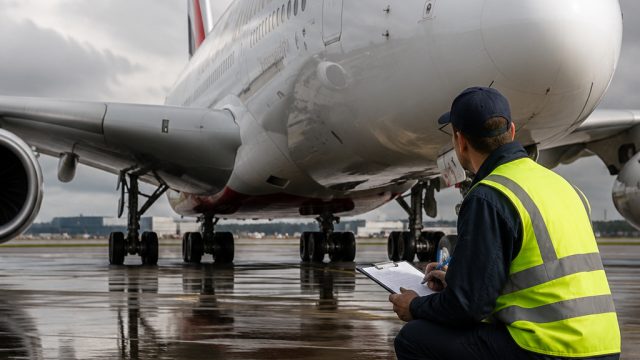
In a significant move aimed at ensuring the safety and airworthiness of the flagship Airbus A380, the European Union Aviation Safety Agency (EASA) has mandated urgent inspections of 15 aircraft operated by Emirates. This directive comes in light of the discovery of cracks in critical wing structural components, raising essential questions about the long-term maintenance protocols for these massive passenger jets.
Understanding the Directive: What Was Found?
The EASA's emergency airworthiness directive targets 15 Emirates A380 superjumbos following reports of cracks detected in the aircraft's wing mid spars. These structural components are vital for maintaining the aircraft's integrity during flight, and any compromise can have serious implications for safety.
Why Are Wing Mid Spars Important?
- Structural Support: Wing mid spars provide essential support for the wings, which bear the aircraft's weight during flight.
- Flight Safety: Any issues with these components can lead to catastrophic failures, underscoring the urgency of inspections.
- Regulatory Compliance: Adhering to EASA directives ensures that airlines maintain safety standards mandated by aviation authorities.
The Impact on Emirates and the A380 Fleet
The immediate implications of this inspection directive could affect Emirates' operations and fleet management strategies. As one of the largest operators of the A380, Emirates has built its reputation on delivering high-capacity, long-haul flights. Addressing these structural issues promptly is crucial for maintaining their operational efficiency and passenger trust.
Operational Challenges Ahead
With a fleet of A380s under scrutiny, Emirates may face several operational challenges, including:
- Flight Cancellations: Necessary inspections may lead to temporary grounding of aircraft, impacting scheduled flights.
- Maintenance Overhaul: A comprehensive evaluation and potential repairs will demand significant resources and time.
- Passenger Confidence: Addressing safety concerns transparently will be essential to maintain customer trust.
Aviation Safety: A Continuing Conversation
The discovery of structural issues in the A380 fleet has sparked renewed discussions within the aviation industry regarding the long-term maintenance and oversight of large passenger aircraft. The community must balance technological advancements with rigorous safety protocols to prevent incidents that could jeopardize lives.
Lessons Learned from Past Incidents
Historically, aviation incidents related to structural failures have led to significant regulatory changes. Those lessons underscore the importance of:
- Regular Inspections: Implementing frequent and thorough inspections can identify potential issues before they escalate.
- Continuous Training: Keeping maintenance crews up-to-date on the latest safety standards is vital.
- Enhanced Reporting Systems: Encouraging transparency about safety concerns can foster a culture of safety.
What This Means for the Future of Aviation
The EASA's proactive stance on the Emirates A380 inspections not only highlights immediate safety concerns but also signals the aviation industry's commitment to rigorous oversight. As air travel continues to recover post-pandemic, maintaining the highest safety standards will be paramount to ensure passenger confidence and operational sustainability.
The Role of Regulatory Bodies
Regulatory agencies like the EASA play a critical role in safeguarding aviation safety. Their rapid response to emerging safety threats reinforces the industry's dedication to passenger security and operational integrity. By implementing strict guidelines and oversight, these agencies help ensure that high-capacity aircraft like the A380 remain safe for travel.
Conclusion
As EASA orders urgent inspections of Emirates' A380 fleet, the aviation industry is reminded of the importance of vigilance in aircraft maintenance. The findings of structural cracks in essential components necessitate swift action to safeguard passengers and uphold the integrity of air travel. Moving forward, the industry must continue to prioritize safety and embrace innovations that enhance operational standards, ensuring that passengers can trust in the safety of their journeys.