
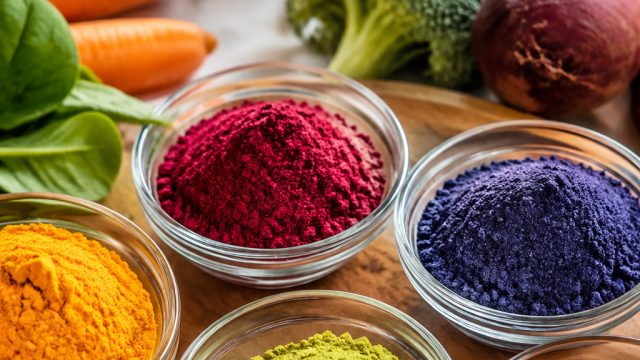
The Surge in Demand for Natural Food Colorants
The natural food colorants market is experiencing a remarkable transformation, fueled by a growing consumer preference for healthier and more sustainable food options. As businesses in the food and beverage sector seek to innovate, the push for natural ingredients is reshaping product development. This trend highlights the need for manufacturers to adapt quickly to stay competitive.
Consumer Preferences Driving Market Growth
As awareness grows around the health implications of synthetic additives, consumers are increasingly inclined towards products that boast natural ingredients. This shift is evident in various sectors, from packaged foods to beverages. Manufacturers are scrambling to meet this demand, leading to a significant rise in the use of natural colorants derived from fruits, vegetables, and herbs.
Key Factors Influencing Consumer Choices
- Health Consciousness: Consumers are more informed about food labeling and ingredient sourcing, driving the demand for cleaner labels.
- Ingredient Transparency: There is a heightened expectation for brands to disclose their ingredient origins.
- Sustainability: Eco-friendly packaging and sourcing practices resonate well with today’s consumers.
Technological Innovations in Natural Colorant Production
The advancements in extraction technologies are playing a crucial role in enhancing the quality and efficiency of natural food colorants. Traditional extraction methods are being replaced by more efficient techniques, resulting in better yields and cost-effectiveness. Companies are utilizing cutting-edge technologies such as biotechnology and microencapsulation to stabilize natural colors and improve their usability across various applications.
Emerging Technologies to Watch
- Biotechnology: Harnessing microorganisms to produce vibrant colorants.
- Microencapsulation: Protecting sensitive natural colors from degradation.
- Nanotechnology: Enhancing color stability and solubility in food products.
The Role of Regulatory Frameworks
As the industry grows, so does the need for stringent regulations to ensure the safety and efficacy of natural food colorants. Organizations such as the FDA and EFSA are continuously assessing the safety profiles of new food colorants. Manufacturers must navigate these regulatory landscapes to ensure compliance while also innovating their product lines.
Key Regulatory Considerations
- Safety Assessments: Regulatory bodies evaluate the safety of new colorants before they can be marketed.
- Labeling Guidelines: Accurate labeling practices are essential for consumer trust and compliance.
- Global Market Variances: Different regions have unique regulatory requirements, influencing market strategies.
The Future Outlook: What Lies Ahead?
The trajectory of the natural food colorants market is set for substantial growth in the coming years, with estimates suggesting an increase to over multi-billion dollars. This growth is driven by innovation, consumer preferences for natural products, and ongoing technological advancements.
What Companies Should Do Now
- Invest in R&D: Focus on developing new natural colorants and improving extraction methods.
- Stay Informed: Keep abreast of regulatory changes and consumer trends to better anticipate market shifts.
- Engage with Consumers: Foster transparency and communicate the benefits of natural colorants in your products.
Conclusion: Embracing Change for Success
The growth of the natural food colorants market presents an exciting opportunity for food and beverage manufacturers. By embracing innovation, adhering to regulations, and listening to consumer demands, companies can position themselves for success in this evolving landscape. The call for natural ingredients is louder than ever, emphasizing the importance of adapting to these industry shifts immediately.