
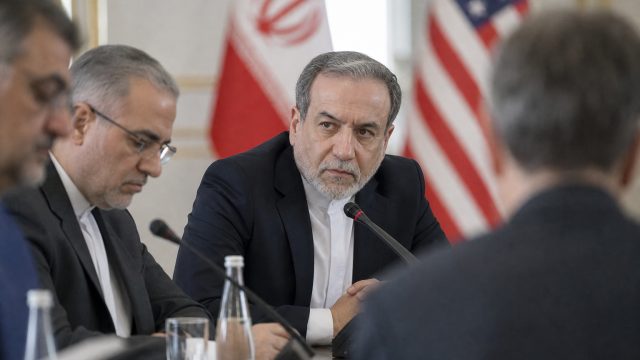
As diplomatic relations between Iran and the United States face increasing strain, the Iranian Foreign Ministry has underscored the necessity for the US to uphold its commitments. The spokesperson, Esmaeil Baghaei, articulated that without genuine dedication from Washington, the prospect of fruitful dialogue remains bleak.
The Principle of 'Commitment for Commitment'
In a recent statement, Baghaei emphasized the principle of "commitment for commitment," which insists that both parties must fulfill their obligations as outlined in existing agreements. He cautioned against any misinterpretation of these understandings that could undermine the essence of the agreements made.
What Does 'Commitment for Commitment' Mean?
- Mutual Obligations: Each party is responsible for adhering to the terms set forth in any memorandum.
- Preventing Misinterpretation: Clear communication is essential to avoid misunderstanding that can lead to further conflict.
- Building Trust: Fulfilling commitments is vital to restoring trust between nations.
The Current Landscape of Iran-US Relations
The backdrop of these statements involves a complex history of negotiations and conflicts, particularly surrounding nuclear agreements and economic sanctions. Iran's insistence on accountability from the US reflects a broader desire for stability in the region.
Why This Matters Now
With geopolitical tensions rising across the globe, the importance of clear and honest communication between nations cannot be overstated. The failure to recognize the significance of these commitments may have dire consequences, not just for bilateral relations, but for international stability as a whole.
Potential Implications of Eroding Trust
The erosion of trust in diplomatic negotiations can lead to:
- Increased tensions and possible military confrontations.
- Economic repercussions that may affect global markets.
- A heightened risk of misinformation and propaganda influencing public opinion.
How Other Nations are Watching
Countries around the world, particularly those in the Middle East, are observing the developments between Iran and the US closely. Their reactions can greatly influence regional dynamics and alignments. It's crucial that both parties recognize their roles in maintaining a balance of power.
Looking Ahead: The Path Forward
In light of Baghaei's remarks, the future of Iran-US relations will likely hinge on how both nations approach their commitments. For successful diplomacy, both sides must engage with sincerity and transparency.
Key Takeaways for Stakeholders
- Prioritize open dialogue to clarify intentions and commitments.
- Recognize the long-term benefits of maintaining diplomatic relations over short-term gains.
- Stay informed about developments that could impact various sectors, including energy and security.
Conclusion
The call for mutual accountability in international relations is more pressing now than ever, especially as Iran seeks to navigate its complicated relationship with the United States. By adhering to the principle of 'commitment for commitment,' both nations can work towards a more stable and secure future.