
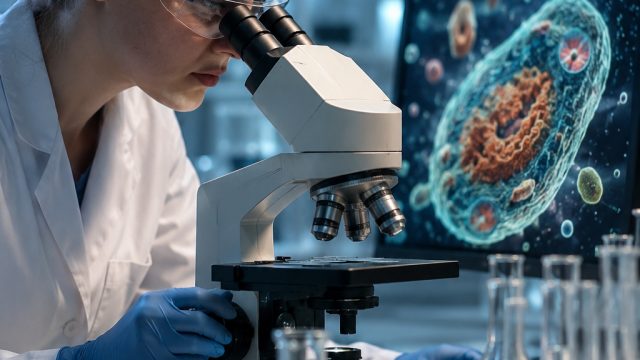
In the fascinating realm of cellular biology, recent research is shedding new light on the origins of eukaryotic cells. These complex structures, fundamental to all higher life forms, have been the subject of intense study since the late 20th century. The groundbreaking ideas put forth by scientists like Lyn Margulis now take on renewed relevance as we explore fresh theories surrounding the evolution of these intricate cells.
The Groundbreaking Ideas of Lyn Margulis
Lyn Margulis, an influential figure in biology, proposed a revolutionary theory in the 1960s suggesting that eukaryotic cells evolved through symbiosis among simpler prokaryotic organisms. This hypothesis, initially met with skepticism, posited that the merger of different microbial cells led to the formation of complex eukaryotic cells, encompassing mitochondria and chloroplasts as remnants of these ancient symbiotic relationships.
Understanding Symbiotic Relationships
Symbiosis, a term describing interactions between different organisms, plays a crucial role in Margulis's theory. Here’s why understanding this concept is vital:
- Complexity from Simplicity: This theory suggests that the complexity of eukaryotic cells is not an isolated event but rather a cumulative outcome of simpler organisms working together.
- Evolutionary Implications: Exploring how cooperation among microorganisms led to evolutionary advancements opens up new pathways in understanding life's diversity.
- Microbial Influence: The ongoing research into microbial communities emphasizes their importance in ecological systems, highlighting their evolutionary impact.
Recent Insights and Why They Matter Now
As scientific technology advances, new tools and techniques are allowing researchers to delve deeper into the genetic and biochemical mechanisms that underpin eukaryotic cell origins. Recent genomic studies and advanced imaging techniques are shedding light on how these cells function and interact.
Advanced Genomic Studies
Current genomic research is unearthing evidence that further supports the theory of symbiotic evolution. Key insights include:
- Genetic Material Exchange: Studies are showing how horizontal gene transfer among microbial communities contributes to the genetic diversity seen in eukaryotes.
- Endosymbiotic Gene Transfer: Some genes originating from prokaryotes are integrated into the eukaryotic genome, illustrating a complex evolutionary relationship.
- Phylogenetic Studies: Evolutionary trees constructed from genetic data are providing clearer pictures of how eukaryotes and prokaryotes are related.
Microbial Relationships in Today’s Ecosystem
The implications of these findings extend beyond historical theories. Understanding the origins of eukaryotic cells helps illuminate current biological processes:
- Ecological Impact: Insights into microbial interactions influence our understanding of ecosystems and biodiversity.
- Health and Medicine: Knowledge of microbial relationships aids in the development of probiotics and other health-related therapies.
- Climate Change Studies: Microbial activities play a significant role in biogeochemical cycles, making them crucial in understanding climate dynamics.
Conclusion: The Future of Eukaryotic Research
The exploration of eukaryotic cell origins is more than just a scientific curiosity; it represents a pivotal area of research with significant implications for biology, ecology, and medicine. As we embrace new technological advancements and methodologies, the potential to unlock further mysteries regarding the evolution of complex life forms is immense. Understanding these origins can not only provide clarity on the evolution of life on Earth but also inform our approaches to pressing global challenges. With the continued exploration of symbiotic relationships and microbial evolution, we are positioned to expand our understanding of life itself, making this field more relevant than ever.