
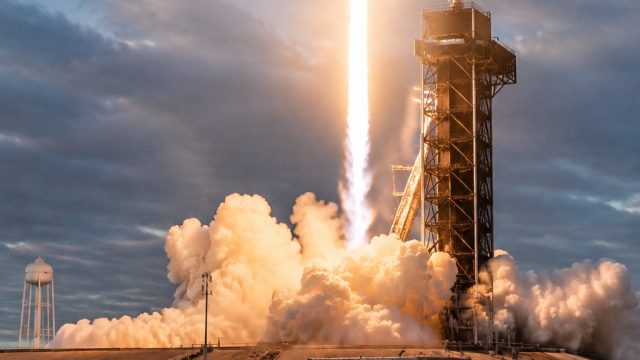
In a significant development for the aerospace industry, SpaceX, the brainchild of entrepreneur Elon Musk, has recently announced a substantial debt initiative. This decision comes hot on the heels of an impressive IPO that raised $86 billion, indicating the company’s need to bolster its financial resources for future expansion and innovation.
Understanding SpaceX's Recent Debt Strategy
On the surface, taking on billions in debt might raise eyebrows among investors and analysts alike. However, SpaceX's recent $25 billion bond deal highlights a calculated approach to sustaining its ambitious projects, including space exploration, satellite launches, and the development of its Starship rocket.
Why Debt Now?
In an environment where interest rates are fluctuating, companies often turn to debt as a means to leverage growth without sacrificing equity. SpaceX's decision to issue bonds allows it to secure capital while keeping a significant portion of ownership intact. This strategic move not only aims to minimize interest costs but also positions SpaceX to respond quickly to opportunities in the fast-evolving aerospace sector.
Impact on Future Innovations
SpaceX’s ability to fund its operations through debt financing opens up numerous avenues for innovation and expansion:
- Advancement of Starship: With increased funding, SpaceX can accelerate the development of its Starship, which is crucial for missions to Mars and beyond.
- Satellite Deployment: The company plans to enhance its Starlink satellite network, promising improved connectivity for global users.
- Commercial Ventures: New funds will support partnerships with private companies and governmental entities, expanding the company’s reach.
Investor Reactions and Market Implications
While some investors may be cautious about the increased debt load, others see it as a sign of confidence in the company's trajectory. Analysts predict that SpaceX’s innovative capabilities and market position could render this debt manageable and beneficial in the long run. This sentiment is reflected in the growing interest around technology-driven sectors, where hefty investments often lead to substantial returns.
Challenges Ahead
Despite the optimistic outlook, SpaceX must navigate several challenges following its debt issuance:
- Market Volatility: The aerospace industry is inherently unpredictable, and economic fluctuations can impact revenue streams.
- Operational Costs: Managing the operational costs associated with high-stakes projects like space travel can be daunting.
- Competitive Landscape: As other companies ramp up their aerospace initiatives, maintaining a competitive edge becomes critical.
The Bigger Picture: SpaceX and the Future of Aerospace
SpaceX's strategic debt issuance isn't just about immediate financial needs; it's part of a broader vision for the future of space exploration and technology. The company continues to push boundaries, and this financial maneuver could very well be the lifeblood needed to sustain its pioneering spirit.
Conclusion: A Necessary Step or Risky Gamble?
As we look at SpaceX's ambitious plans and its recent financial strategies, the question remains: Is this increased debt a stepping stone towards revolutionary advancements in aerospace technology, or does it expose the company to undue risks? While only time will reveal the outcomes, one thing is certain: SpaceX is poised for a transformative era, and the world will be watching closely as it embarks on this intriguing new chapter.