
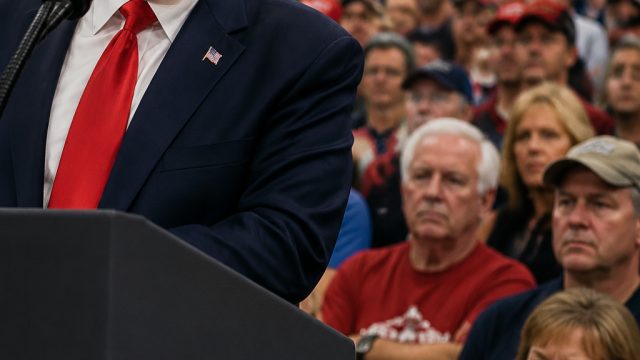
In recent weeks, significant developments in U.S. politics have raised questions about the future of Donald Trump's influence within the Republican Party. Following a pivotal Senate vote aimed at curbing the President's war powers concerning Iran, many analysts are pondering whether Trump is losing support among congressional Republicans. This shift could have profound implications for both the party's dynamics and the upcoming electoral landscape.
The Context of the War Powers Vote
The Senate's decision to limit Trump's military authority represents a critical moment in the ongoing debate about presidential power and military engagement. As members of Congress grapple with their stances on national security, the vote highlights a growing concern among Republicans regarding unchecked executive authority. The implications of this decision are profound, as they signal a potential rift between traditional party values and Trump's unconventional leadership style.
Internal Party Dynamics at Play
The Republican Party has long prided itself on a strong support base for military actions and national defense. However, recent polling indicates that a segment of Republican voters is becoming increasingly wary of unfettered military intervention. This change is evidenced by the Senate's bipartisan support for limiting the President's war powers, showcasing a shift among legislators who may be responding to their constituents' growing anxieties about military engagements.
- The war powers vote drew support from both Democrats and Republicans.
- Voter sentiment is shifting toward a preference for Congress to have a more active role in military decisions.
- Some Republican senators openly expressed concerns about the executive overreach.
Trump's Reaction and Its Consequences
In the aftermath of the Senate vote, Trump's reaction has been one of defiance, framing the party's actions as a betrayal. This response could further alienate him from key Republican figures and voters who favor a more collaborative approach to governance. Political consultant Doug Heye suggests that such a divide may result in long-term consequences for Trump's standing within the party.
Potential Risks for Trump's Support Base
As the rift between Trump and congressional Republicans deepens, several risks emerge for his support base:
- Loss of Congressional Allies: Key allies in the Senate may distance themselves from Trump to maintain their political viability.
- Electoral Consequences: Republicans facing reelection may be hesitant to align fully with a President whose influence is in question.
- Voter Discontent: A growing number of constituents are voicing concerns about military interventions, impacting Trump's appeal among the electorate.
Looking Ahead: What It Means for the Future
As we approach the next election cycle, the implications of this shifting support are significant. If Trump's grip on the Republican Party continues to weaken, it could pave the way for alternative candidates to rise within the ranks. Many party members are beginning to explore options that resonate more with the changing political landscape and voter desires.
Key Takeaways for Republicans
Republicans must navigate this evolving scenario carefully to maintain their influence and avoid internal fragmentation. Some considerations include:
- Reassessing party priorities in light of voter sentiment.
- Fostering open dialogue among party members to address concerns.
- Identifying and supporting candidates who reflect a balanced approach to military action and executive power.
Conclusion: A Shifting Political Landscape
In conclusion, the recent Senate vote to limit Trump’s war powers could signify a turning point for the Republican Party. As members of Congress evaluate their positions in light of voter opinions, the potential for a shift in party dynamics is greater than ever. Trump's ability to maintain his influence will depend on how effectively he can adapt to these changes and engage with both party leaders and voters moving forward. As the situation develops, staying informed will be crucial for anyone invested in the landscape of American politics.