
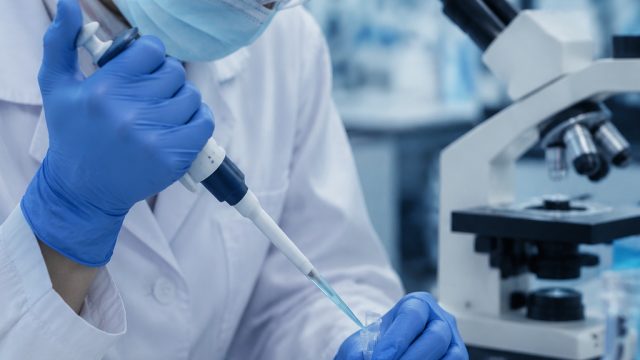
The global landscape of healthcare and life sciences is undergoing a significant transformation, driven by the burgeoning demand for cell isolation technologies. As sectors such as regenerative medicine and cell therapy gain momentum, understanding the implications of these advancements is crucial for industry stakeholders. Recent reports indicate a marked increase in the cell isolation market, highlighting its pivotal role in shaping the future of precision medicine.
Understanding the Cell Isolation Market Growth
According to leading market research, the cell isolation industry is poised for substantial growth, with projections indicating an uptick fueled by ongoing innovations and applications in cell-based therapies. The importance of cell isolation techniques, such as sorting and separating specific cell types from mixed populations, cannot be overstated. These techniques are essential for advancing research in various domains, including:
- Regenerative Medicine: The use of cell therapies to repair or replace damaged tissues and organs.
- Oncology: Isolating tumor cells to better understand cancer biology and treatment responses.
- Immunology: Separating immune cells for research into new therapies for autoimmune diseases.
Current Trends Fueling Market Expansion
Several trends are contributing to the rapid growth of the cell isolation market. These include:
- Increased Investment in R&D: Organizations are allocating more resources towards developing novel cell-based therapies, amplifying the need for cell isolation technologies.
- Technological Advancements: Innovations in isolation techniques, such as microfluidics and magnetic-activated cell sorting (MACS), are enhancing the efficiency and accuracy of cell separation.
- Heightened Regulatory Support: Growing recognition of the therapeutic potential of cell therapies has led to more supportive regulatory frameworks, fostering market growth.
The Role of Precision Medicine in Cell Isolation
The integration of precision medicine into healthcare is revolutionizing treatment modalities, making cell isolation a critical focus area. By isolating specific cell populations, researchers and clinicians can tailor treatments that target individual patient profiles. This approach enhances therapeutic effectiveness and minimizes adverse effects, marking a significant step forward in medical practice.
Innovative Applications in Cell-Based Research
Cell isolation is not only pivotal in therapeutic applications but also plays a fundamental role in research settings. Key applications include:
- Stem Cell Research: Isolating stem cells for regeneration studies, providing insights into developmental biology.
- Gene Therapy: Utilizing isolated cells for gene editing and therapeutic interventions.
- Vaccine Development: Isolating immune cells to create more effective vaccines against various diseases.
Challenges Facing the Cell Isolation Market
Despite the promising outlook, several challenges must be addressed for the cell isolation market to reach its full potential. These challenges include:
- Cost Implications: The high cost of advanced isolation technologies may limit accessibility for smaller research entities.
- Technical Complexity: Some methods require specialized training and expertise, which may create barriers to entry.
- Regulatory Hurdles: Navigating the complex regulatory landscape can slow down the adoption of new technologies.
Future Prospects in Cell Isolation Technologies
The future of cell isolation technologies looks bright, with ongoing advancements poised to address current challenges. Innovations aimed at reducing costs, enhancing user-friendliness, and improving regulatory compliance are on the horizon. These developments will likely not only bolster the cell isolation market but also enhance the capabilities of research and therapeutic interventions across various fields.
Conclusion
As the demand for cell therapies and precision research escalates, the cell isolation market stands at the forefront of healthcare innovation. Stakeholders must remain vigilant to harness these advancements effectively, ensuring that they translate into improved health outcomes for patients worldwide. Understanding the dynamics of this market is essential for anyone involved in life sciences, research, and healthcare delivery.