
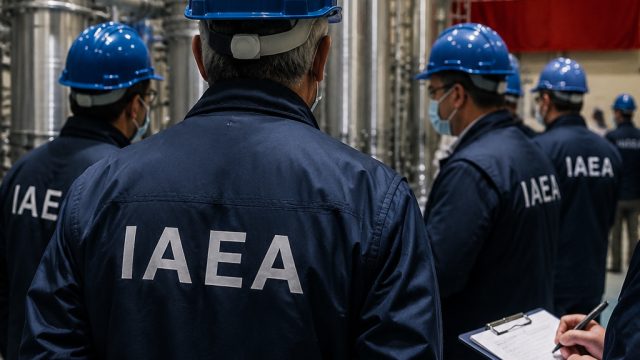
Recent discussions surrounding Iran's nuclear program have brought significant attention to the potential for renewed inspections by U.N. officials. With mounting international scrutiny and varying narratives from involved parties, the current situation is both critical and complex. As the geopolitical landscape shifts, understanding these developments is essential for grasping their implications on global security.
Background: The Context of Iran's Nuclear Program
Iran's nuclear ambitions have long been a source of international tension. Following the landmark Joint Comprehensive Plan of Action (JCPOA) in 2015, the country agreed to curtail its nuclear activities in exchange for sanctions relief. However, the withdrawal of the U.S. from the agreement in 2018 and subsequent escalations have led to a precarious situation, where trust between Iran and Western nations remains frail.
Key Players Involved
- U.S. Government: Focused on limiting Iran's nuclear capabilities and ensuring compliance with international agreements.
- Iranian Authorities: Maintain their nuclear program is for peaceful purposes and reject external pressures.
- International Atomic Energy Agency (IAEA): Tasked with overseeing inspections and ensuring compliance with nuclear regulations.
The Recent Announcement: Inspectors to Return
In a significant turn of events, U.N. nuclear agency officials have announced plans to visit Iran's nuclear sites, a move that could reshape the dynamics of international dialogue regarding Iran's nuclear activities. This development comes amidst conflicting narratives about the conditions under which these inspections will occur.
Reactions from Iran and the International Community
Iran's response has been cautious, with officials emphasizing that they have not made any new commitments regarding their nuclear program. This highlights the ongoing tension between Tehran's assurances of peaceful intentions and the skepticism from other nations.
- International Responses: Countries are closely monitoring these developments, considering the implications for regional security.
- Diplomatic Efforts: Ongoing negotiations aim to bridge the gap between Iran and western powers, with inspections at the center of discussions.
Why This Matters Now: Implications for Global Security
The potential return of U.N. inspectors to Iran's nuclear sites is a pivotal moment in international relations. The timing is especially critical given the recent geopolitical shifts and the growing concerns about nuclear proliferation.
Potential Outcomes and What They Could Mean
The success or failure of the upcoming inspections could lead to one of several outcomes:
- Increased Transparency: Successful inspections could enhance trust and lead to a more stable diplomatic environment.
- Continued Tensions: If inspections do not go as planned, it might exacerbate hostilities and lead to stronger sanctions or military posturing.
- Impact on Regional Stability: The resolution of the nuclear issue could influence broader security dynamics in the Middle East.
Conclusion: A Watchful Eye on Iran
As world leaders prepare for the crucial inspections at Iranian nuclear facilities, the global community remains on alert. The complexities of diplomacy, national interests, and the quest for security create a landscape where every development matters. Staying informed about these crucial negotiations is vital as they may dictate the future of not just Iran, but of international relations as a whole. With the stakes so high, this is a situation that warrants close attention.