
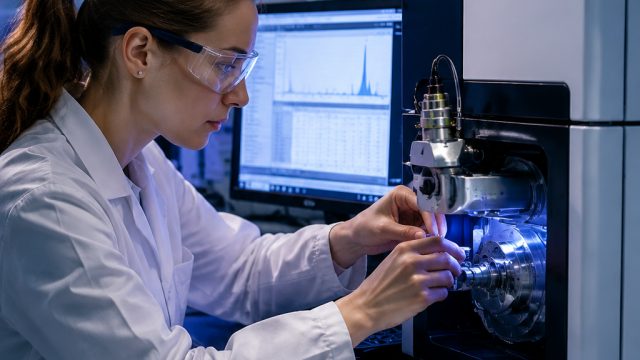
As the healthcare sector continues to evolve, the demand for advanced analytical techniques is on the rise. Notably, the global mass spectrometry market is experiencing significant growth, with projections indicating it may exceed USD 3.31 billion by 2031. This surge is largely attributed to an increased adoption of LC-MS (liquid chromatography-mass spectrometry) technologies, which are playing a pivotal role in enhancing diagnostic precision and supporting personalized medicine initiatives.
Understanding the Growth of Mass Spectrometry in Healthcare
The mass spectrometry market is expanding rapidly due to several key factors that are reshaping its landscape. Healthcare laboratories are increasingly integrating these advanced technologies into their workflows, driven by the need for accurate diagnostics and efficient processes.
Enhanced Diagnostic Accuracy
- Mass spectrometry offers superior sensitivity and specificity compared to traditional methods, enabling healthcare professionals to make more informed decisions.
- By accurately identifying and quantifying biomolecules, mass spectrometry improves the reliability of clinical diagnostics.
- It supports the identification of novel biomarkers, crucial for early disease detection and personalized treatment strategies.
Streamlining Laboratory Workflows
In addition to enhancing diagnostic accuracy, the adoption of mass spectrometry is streamlining laboratory workflows:
- The integration of LC-MS technologies allows for faster analysis times, significantly reducing the turnaround for test results.
- Automated processes minimize human error and improve overall operational efficiency.
- Advanced software solutions complement mass spectrometry systems, aiding data interpretation and management.
The Role of Personalized Medicine
One of the most transformative trends in healthcare is the shift towards personalized medicine. Mass spectrometry plays a crucial role in this development:
- Through detailed metabolomic and proteomic analyses, mass spectrometry helps in understanding individual responses to therapies, tailoring treatments accordingly.
- As healthcare moves towards a more individualized approach, the precision offered by mass spectrometry is invaluable.
- Furthermore, its utility in pharmacokinetics assists in evaluating drug efficacy and safety profiles, pivotal for new drug development.
Market Drivers and Challenges
The mass spectrometry market's growth is fueled by various drivers, yet it also faces several challenges that must be navigated:
- Increasing Demand for Rapid Testing: The urgency for quick diagnosis in clinical settings necessitates the implementation of mass spectrometry solutions.
- Technological Advancements: Continuous innovations in mass spectrometry, including miniaturization and improved analytical capabilities, are attracting further investments.
- Regulatory Hurdles: Obtaining regulatory approvals for new mass spectrometry systems can be complex, potentially delaying market entry.
Future Outlook for the Mass Spectrometry Market
Experts predict a robust growth trajectory for the mass spectrometry market in the coming years. Key considerations for stakeholders include:
- Collaborative Efforts: Partnerships between technology providers and healthcare facilities can foster innovation and broaden the adoption of mass spectrometry.
- Focus on Research and Development: Investing in R&D will be essential for developing next-generation mass spectrometry systems that meet evolving clinical needs.
- Integration with Other Technologies: Combining mass spectrometry with other analytic methods can enhance its capabilities and broaden its applications.
Conclusion
The mass spectrometry market is on the cusp of significant expansion, driven by the growing need for precise diagnostics and personalized medicine. As healthcare laboratories increasingly adopt LC-MS technologies, they are not only improving patient outcomes but also enhancing operational efficiency. The future of this market looks promising, with technological advancements and collaborative efforts paving the way for continued innovation.