
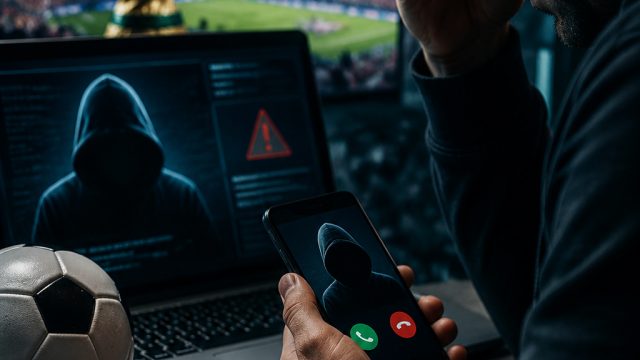
As the world gears up for the 2026 FIFA World Cup, excitement is palpable. However, amid the anticipation, an unsettling trend is emerging: the rise of AI-driven scams. Cybercriminals are leveraging sophisticated technologies to create increasingly convincing scams that target fans and bettors alike. Understanding this trend is crucial for anyone looking to engage in the festivities safely.
Understanding the Threat: AI Scams on the Rise
Artificial intelligence is revolutionizing many industries, providing enhanced efficiency and communication. Unfortunately, it has also become a tool for scammers. The ease of creating realistic fake websites, emails, and social media accounts means that fans could easily be misled.
Types of AI-Driven Scams
- Phishing Attacks: These scams often involve emails that appear to be from legitimate sources, like ticket vendors or official World Cup sponsors. They trick users into revealing personal information.
- Fake Betting Sites: With the increase in online gambling leading up to the tournament, scammers are creating fraudulent betting platforms promising high returns.
- Social Media Impersonation: Fraudsters imitate renowned players or teams on platforms like Instagram or Twitter to lure fans into providing money for fake merchandise.
Why This Matters Now
With just a few years until the tournament, as fans get eager to book tickets and place bets on events, the potential for scams grows significantly. The FIFA World Cup is one of the most-watched sporting events globally, attracting billions in revenue. Scammers are poised to exploit the situation, making it crucial for fans to stay informed.
The Implications for Everyday Fans
As the stakes rise, so do the tactics used by scammers. Here’s how these scams can impact the typical fan:
- Financial Loss: Victims can face substantial monetary losses, making it essential to approach any online transaction with caution.
- Loss of Personal Data: Scammers often steal sensitive information, which can lead to identity theft and further complications.
- Impact on Mental Well-being: The emotional distress of losing money or being scammed can have long-lasting effects on mental health.
How to Safeguard Against AI Scams
Being proactive is the best way to protect yourself from these scams. Here are some practical steps:
Recognize Red Flags
- Check for suspicious URLs in links.
- Look for grammatical errors in emails or messages.
- Verify the legitimacy of websites before entering any personal information.
Stay Informed
Regularly educate yourself about the latest trends in scams. Reliable sources, such as cybersecurity blogs or news outlets, can provide valuable insights.
Use Secure Payment Methods
When placing bets or buying tickets online, opt for secure payment options. Credit cards and established payment platforms often provide additional fraud protection.
Conclusion: Prepare Ahead for a Safe Experience
As we count down to the 2026 World Cup, the excitement builds, but so does the risk of falling victim to AI-driven scams. Being aware of potential threats and knowing how to protect yourself can ensure that your World Cup experience is enjoyable and secure. Stay vigilant, and let the games begin!