
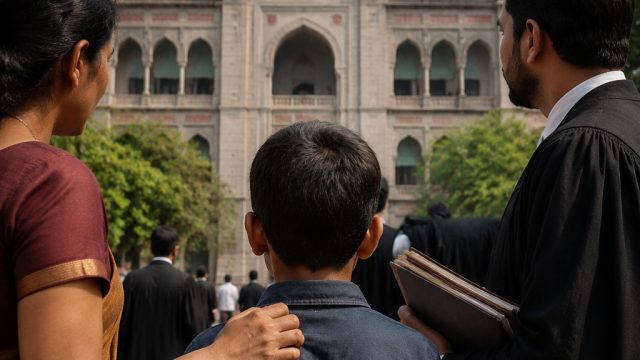
In a significant move, the Telangana High Court has mandated an independent investigation into the procedures followed during the rescue of a three-year-old child involved in a suspected illegal adoption and child trafficking case. This directive highlights pressing concerns regarding the adequacy of current protocols and procedures in child welfare cases in the state.
Background and Context
The court's decision was prompted by an investigation into a network allegedly involved in illegal adoptions and trafficking of minors. The case came to light following law enforcement actions aimed at dismantling these unethical operations. As details emerged, the court identified procedural inadequacies in the handling of the child's case, leading to its inquiry.
Significance of the Ruling
This ruling is particularly noteworthy as it underscores the critical importance of proper legal frameworks in child welfare scenarios. The High Court’s call for a review is not just a legal formality; it is a vital step toward ensuring that the systems in place for protecting vulnerable children are robust and effective. By addressing these procedural flaws, the court aims to enhance the standards of care and protection afforded to children in similar situations.
Implications for Child Welfare Protocols
The implications of this ruling extend far beyond the immediate case. It signals a potential shift in how child welfare cases are handled in Telangana and possibly across India. Stakeholders in the child welfare system, including government authorities, NGOs, and legal entities, must take note of the court's concerns. Here are some key areas that could see reform:
- Review and Oversight: Establishing regular audits of child welfare cases to ensure adherence to established protocols.
- Training and Resources: Providing training for social workers and law enforcement on best practices for child rescue and protection.
- Community Involvement: Increasing public awareness about the signs of child trafficking and illegal adoption practices.
- Legal Framework: Enhancing laws surrounding child welfare to better protect against exploitation and trafficking.
Community and Social Impact
The community's response to the High Court's ruling has been overwhelmingly supportive, with many advocating for a thorough overhaul of existing child welfare procedures. Local NGOs have expressed concern that without proper mechanisms in place, vulnerable children may continue to fall through the cracks, exploited by unscrupulous individuals. This case has sparked conversations about the need for community vigilance and engagement in protecting children.
Next Steps and Future Considerations
As the investigation begins, it will be essential to monitor how officials respond to the court's findings. The challenges faced by child welfare agencies in executing their responsibilities cannot be overstated. Yet, with this review, there is an opportunity to establish a more effective system that prioritizes the safety and well-being of children above all else.
Potential Outcomes of the Review
The outcomes of this directive could have far-reaching effects. Possible outcomes include:
- Reform in the legal handling of similar cases as established standards begin to evolve.
- More stringent penalties for those found participating in illegal adoption and child trafficking.
- Greater transparency in child welfare cases, leading to increased public trust in the system.
Conclusion
The Telangana High Court's decision to investigate the handling of the rescued child is a pivotal moment for child welfare in the region. As communities rally for better protection of children, this case serves as a reminder of the ongoing need for vigilance and reform in safeguarding the most vulnerable among us. The ongoing investigations will be closely watched, and their outcomes could shape the future of child welfare policies in Telangana and beyond.